
Selecting a coffee brewing method extends beyond personal preference; it's a strategic decision impacting flavor profile, operational efficiency, cost per serving, and ultimately, customer satisfaction. For businesses, understanding the nuances of each method allows for informed choices that align with brand identity, target market, and desired product consistency. The wrong method can lead to wasted resources, inconsistent output, and a compromised customer experience, while the right one can differentiate a product and streamline operations.
Understanding Core Brewing Methods and Their Commercial Implications
Each major brewing method offers distinct characteristics and operational considerations that warrant careful evaluation for any commercial setting. The choice dictates equipment investment, labor requirements, and the sensory experience delivered.
Pour Over Brewing: Precision and Clarity
Pour over methods, encompassing devices like the Hario V60 or Chemex, involve pouring hot water slowly and evenly over ground coffee in a filter. This method emphasizes clarity, allowing individual flavor notes to shine, often resulting in a clean, bright cup with minimal sediment.
- Operational Impact: Labor-intensive per cup, requiring trained baristas for consistency. Slower service times compared to automated methods.
- Commercial Niche: Specialty coffee shops focusing on single-origin beans and a premium, artisanal experience. Higher price point per cup often justified by quality and presentation.
French Press: Full Body and Simplicity
The French press is an immersion brewing method where coarse-ground coffee steeps in hot water before a plunger separates the grounds. This yields a full-bodied, rich cup with more sediment and a robust flavor profile due to the unfiltered oils and fines.
- Operational Impact: Simple to operate, low equipment cost, suitable for brewing larger batches. Requires careful attention to steep time to avoid over-extraction and bitterness.
- Commercial Niche: Cafes offering a rustic or home-style experience, or for batch brewing for offices and catering where a strong, hearty cup is desired.
Espresso: Concentration and Versatility
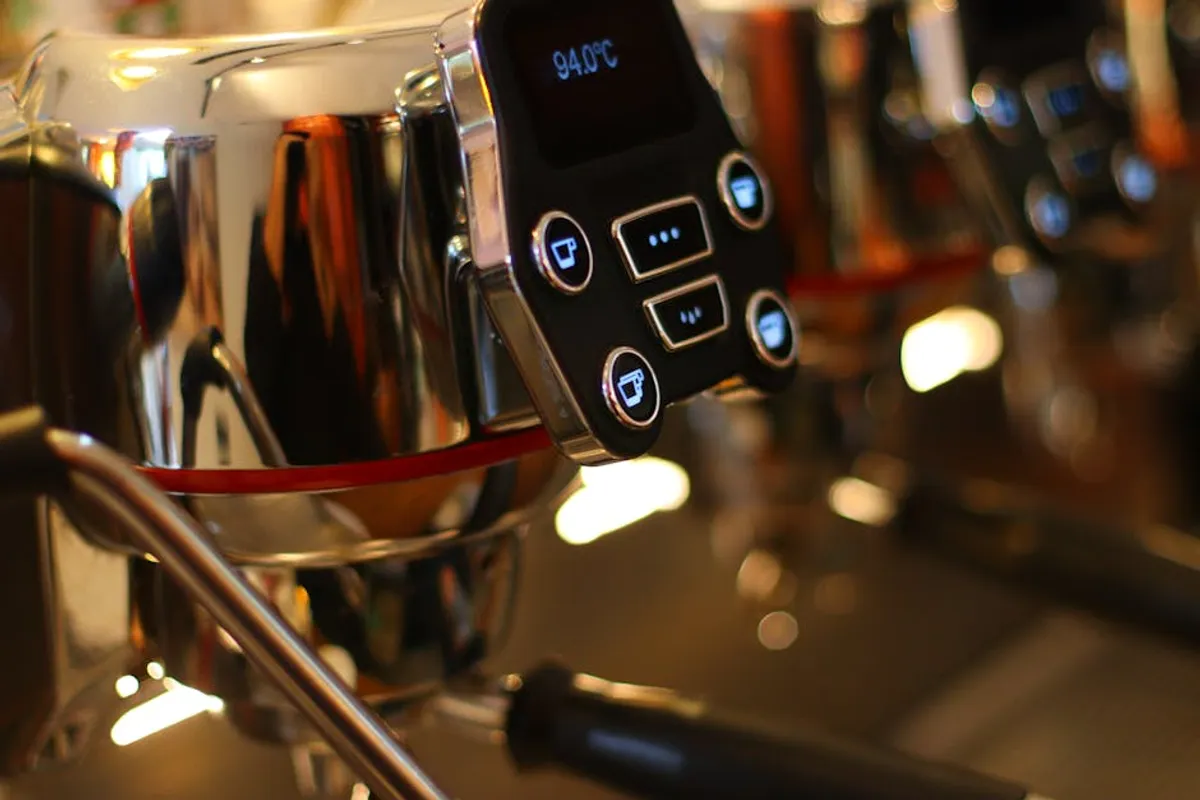
Espresso is produced by forcing hot, pressurized water through finely ground coffee. This creates a concentrated shot with a distinct crema, forming the base for a wide array of milk-based beverages like lattes and cappuccinos.
- Operational Impact: High initial equipment investment, requires skilled baristas for consistent extraction and latte art. Fast preparation time per shot, crucial for high-volume service.
- Commercial Niche: Essential for virtually all modern coffee shops, enabling a diverse menu and catering to a broad customer base.
Cold Brew: Low Acidity and Batch Efficiency
Cold brew involves steeping coarse-ground coffee in cold water for an extended period (12-24 hours). The result is a concentrate with significantly lower acidity and bitterness, often sweeter and smoother than hot-brewed coffee.
- Operational Impact: Long preparation time but minimal active labor. Produces a concentrate that can be stored and diluted on demand, ideal for high-volume iced coffee sales. Requires dedicated steeping vessels and refrigeration.
- Commercial Niche: Cafes, delis, and bottled beverage producers looking for a shelf-stable, low-acidity coffee option, particularly popular in warmer climates or for health-conscious consumers.
Automatic Drip: Consistency and Volume
Automatic drip brewers heat water and shower it over a bed of ground coffee in a filter basket, collecting the brewed coffee in a carafe. Commercial-grade drip machines are designed for high volume and consistent temperature control.
- Operational Impact: Minimal labor, high volume capacity, consistent results with proper calibration. Lower equipment cost than espresso machines, but higher initial investment for commercial models.
- Commercial Niche: Offices, diners, hotels, and convenience stores where speed, volume, and consistent, straightforward coffee are priorities.
Common Brewing Mistakes and Their Commercial Consequences
Even with the right equipment, subtle errors can degrade coffee quality and impact a business's reputation and profitability.
Incorrect Grind Size
Using a grind size too fine for a French press results in over-extraction and a muddy cup with excessive sediment. Conversely, a grind too coarse for pour over or espresso leads to under-extraction, producing a weak, sour, or watery beverage. This directly impacts flavor consistency and customer satisfaction.
Inconsistent Water Temperature
Water that is too hot can burn the coffee, extracting bitter compounds. Water that is too cool will under-extract, resulting in a flat or sour taste. Maintaining a consistent temperature, typically between 195°F and 205°F (90°C to 96°C), is critical for optimal extraction across most methods. Commercial brewers should have precise temperature controls.
Improper Coffee-to-Water Ratio
Deviating from established ratios (e.g., 1:15 to 1:18 coffee to water by weight for drip/pour over) leads to either weak or excessively strong coffee. This not only affects taste but also impacts ingredient cost and yield per batch, directly hitting profit margins.
Stale or Poorly Stored Beans
Coffee beans begin to lose their aromatic compounds shortly after roasting. Using stale beans, or beans improperly stored (exposed to air, light, heat, or moisture), results in a flat, lifeless cup regardless of the brewing method. This is a fundamental quality control issue for any coffee-serving business.
Neglecting Equipment Maintenance
Accumulated coffee oils and mineral deposits in brewing equipment impart off-flavors and reduce efficiency. Regular cleaning and descaling are essential to ensure equipment longevity, consistent performance, and sanitary operation. Failure to do so leads to poor-tasting coffee, increased maintenance costs, and potential health code violations.
Pro Tip: Water Quality is Paramount
The quality of water used for brewing coffee is often overlooked but profoundly impacts the final taste. Water that is too hard, too soft, or contains off-flavors can mask or distort the inherent characteristics of the coffee. Implementing a robust water filtration system is a critical investment for any commercial operation aiming for consistent, high-quality coffee. This ensures that the water acts as a neutral solvent, allowing the coffee's true flavors to emerge.
Optimizing Your Brewing Strategy for Commercial Success
The selection and execution of coffee brewing methods are not static decisions. They require ongoing evaluation to align with evolving customer preferences, operational capabilities, and business goals. Regularly assess the consistency of your output, monitor customer feedback, and train staff thoroughly on all aspects of your chosen methods. Ultimately, understanding why brewing methods matter can significantly enhance the overall customer experience in your establishment.
Consider the total cost of ownership for equipment, including maintenance and energy consumption, alongside the cost of labor and raw materials. A method that produces a superior cup but leads to excessive wait times or high staff turnover may not be the optimal commercial choice. Balance quality with efficiency and scalability to ensure sustained success.
Frequently Asked Questions
Which brewing method is generally most cost-effective for high volume?
Automatic drip coffee makers are typically the most cost-effective for high-volume commercial settings due to lower per-cup labor costs, efficient brewing cycles, and relatively lower equipment maintenance compared to espresso machines.
How does grind size impact the flavor of brewed coffee?
Grind size dictates the surface area of coffee exposed to water. A coarser grind results in less extraction and a lighter, potentially sour flavor, while a finer grind increases extraction, leading to a stronger, potentially bitter taste if over-extracted.
Can cold brew be made with any type of coffee beans?
While any coffee bean can be used for cold brew, darker roasts or beans with chocolatey and nutty notes often perform well, as the cold brewing process naturally reduces acidity and bitterness, allowing these flavors to shine without being overshadowed.
What is the ideal water temperature for most coffee brewing methods?
For most hot brewing methods, including pour over and automatic drip, the ideal water temperature ranges between 195°F and 205°F (90°C to 96°C). This range ensures optimal extraction of desirable flavors without scorching the coffee.