
The coffee brewing niche represents a consistently active and commercially viable content landscape for publishers and marketers. Understanding the distinct characteristics of various brewing methods is not just about appreciating coffee; it's about identifying specific user intents, uncovering lucrative keyword opportunities, and structuring content that captures both informational and transactional search queries. This guide outlines the primary brewing categories, detailing their unique appeal to users and the strategic content avenues they present for effective SEO and content monetization.
Understanding the Core Brewing Method Categories for Content Strategy
Each coffee brewing method attracts a distinct segment of searchers, driven by varying priorities such as convenience, flavor profile, ritual, or budget. Recognizing these underlying motivations is crucial for tailoring content that resonates and ranks.
Immersion Methods: French Press, Cold Brew, Aeropress
Immersion brewing, where coffee grounds steep fully in water for an extended period, is often associated with simplicity and a full-bodied cup. For content creators, this category offers a fertile ground for "how-to" guides and comparisons.
- French Press: Content around the French Press typically targets users seeking a rich, sediment-heavy cup with minimal equipment. Keyword opportunities include "best French press coffee," "French press grind size," "how to clean French press," and "French press vs. pour over." These queries span from initial informational research to troubleshooting and comparative analysis.
- Cold Brew: This method appeals to users looking for low-acid coffee, often consumed chilled or concentrated. Content angles frequently involve recipes ("cold brew concentrate recipe"), health benefits ("low acid coffee brewing"), and equipment reviews ("best cold brew maker"). The seasonal popularity of cold brew also offers opportunities for timely content updates.
- AeroPress: Valued for its portability and versatility, the AeroPress generates interest from travelers, campers, and those experimenting with different brew styles. Content can focus on "AeroPress recipes," "AeroPress travel kit," "AeroPress espresso," and comparisons like "AeroPress vs. pour over," highlighting its unique pressure-based immersion.
Pour-Over Methods: V60, Chemex, Kalita Wave
Pour-over methods emphasize precision and control, appealing to users who appreciate clarity, nuanced flavors, and the ritual of brewing. This category is rich with opportunities for detailed instructional content and equipment deep-dives.
Best for: Detailed tutorials, equipment reviews, advanced techniques.
Content for pour-over methods should address the granular details that enthusiasts seek: specific grind sizes, water temperature, pouring techniques, and filter types. Keywords like "V60 pour over technique," "Chemex vs. V60," "Kalita Wave brew guide," and "best pour over kettle" indicate a commercially-minded audience willing to invest in specialized equipment. Video content is particularly effective here, demonstrating the visual aspects of the brewing process and the delicate control required.
Pressure-Based Methods: Espresso, Moka Pot
Pressure brewing delivers concentrated coffee, forming the base for many popular coffee shop drinks. This segment attracts users seeking intensity, specific drink types, or a home barista experience.
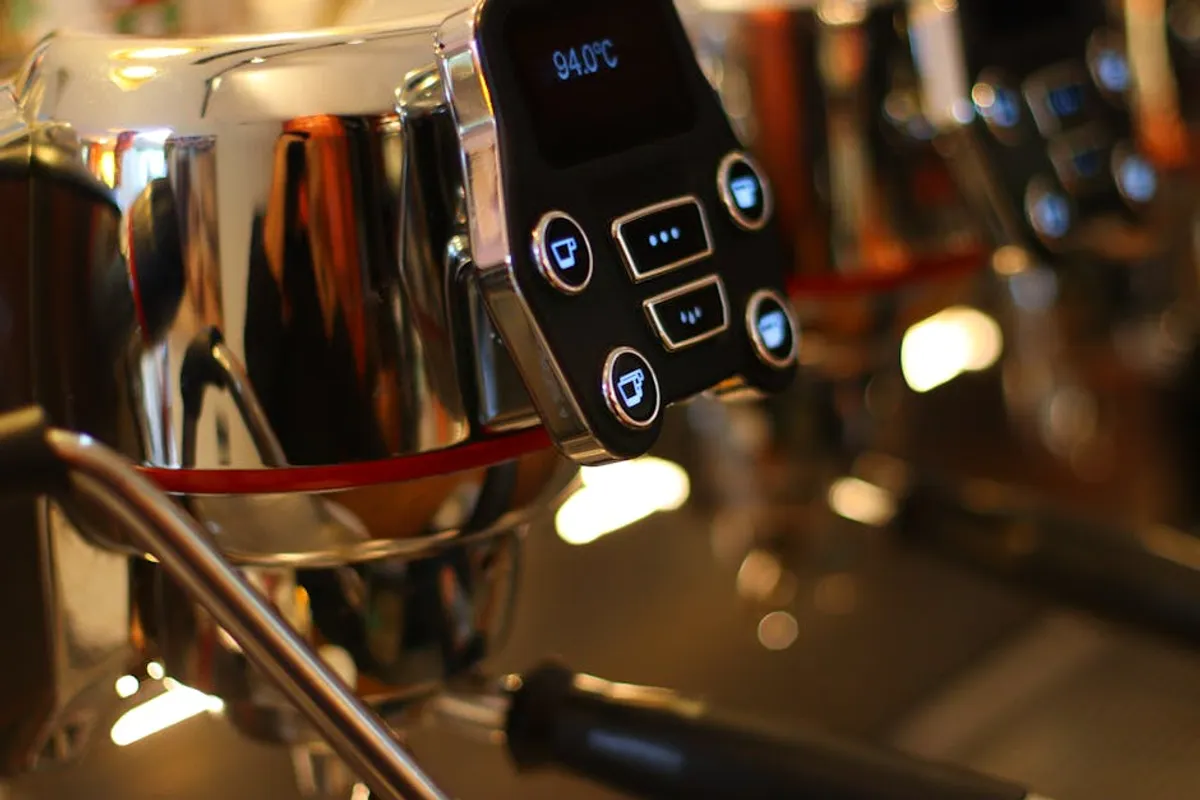
Espresso: The complexity and cost of espresso machines mean searchers are highly invested. Content opportunities include "best home espresso machine," "how to pull an espresso shot," "espresso grinder guide," and "espresso machine maintenance." Affiliate revenue potential is high for expensive equipment. Recipe content for lattes, cappuccinos, and americanos also performs well.
Moka Pot: A more accessible pressure method, the Moka Pot (or stovetop espresso maker) appeals to users looking for strong, concentrated coffee without an expensive machine. "How to use a Moka pot," "Moka pot coffee recipe," and "Moka pot vs. espresso" are common search queries, indicating a blend of beginner informational needs and comparative shopping.
Drip Coffee Makers
Drip coffee remains the most common and convenient method for many, focusing on volume and ease of use. Content here often targets a broad audience seeking reliable daily brewing solutions.
Best for: Mass-market appeal, budget guides, convenience-focused content.
Content around drip coffee makers can focus on "best drip coffee makers," "how to clean a coffee maker," "programmable coffee makers," and comparisons with single-serve options. While individual product prices may be lower, the sheer volume of searchers and the recurring need for filters and bulk coffee offer consistent monetization via affiliate sales and ad revenue. Guides on improving drip coffee quality (e.g., "best coffee for drip machine") also capture user intent for optimization.
Identifying Keyword Opportunities and Content Angles
Effective content strategy for coffee brewing methods hinges on mapping keyword opportunities to user intent. Beyond direct method names, consider long-tail variations and problem-solution queries. For instance, instead of just "French Press," target "French Press coffee too weak" or "how to prevent French Press sediment."
Content formats should align with the query type:
- Tutorials: "How to brew" guides, step-by-step instructions (e.g., "V60 pour over technique").
- Comparison Articles: "X vs. Y" for methods or equipment (e.g., "AeroPress vs. Moka Pot," "Chemex vs. V60").
- Product Reviews: "Best [method] brewer," "top [accessory]" (e.g., "best budget espresso machine," "best burr grinder for pour over").
- Troubleshooting Guides: Addressing common issues (e.g., "why does my cold brew taste bitter?").
- Recipe Variations: Leveraging specific brewing methods for unique drinks (e.g., "AeroPress latte recipes").
Pro Tip: Always conduct thorough keyword research for each brewing method, paying close attention to commercial investigation keywords (e.g., "best X for Y") and transactional keywords (e.g., "buy Z"). These terms often indicate high purchase intent and represent direct monetization opportunities through affiliate programs or direct sales if applicable.
Crafting Differentiated Content in a Crowded Niche
The coffee niche is competitive. To stand out, content must offer unique value or a distinct perspective. Consider:
Unique Angles: Explore specific bean types and their optimal brewing methods, regional coffee traditions, sustainable brewing practices, or budget-friendly setups. For example, a guide on "brewing Ethiopian Yirgacheffe with a V60" offers more specificity than a generic V60 guide.
Visual Content: High-quality photos and video tutorials are indispensable. Visuals demonstrate techniques, showcase equipment, and enhance user engagement, particularly for complex methods like pour-over or espresso. This also opens up opportunities for YouTube SEO and embedding video into articles.
Schema Markup: Implement Schema.org markup for "Recipe" or "HowTo" content. This helps search engines understand the structure and purpose of your guides, potentially leading to rich snippets in search results, improving visibility and click-through rates.
Monetization Pathways for Coffee Content
The commercial utility of coffee brewing content extends across several pathways:
Affiliate Marketing: Partner with retailers for coffee beans, brewing equipment (machines, grinders, scales, kettles), and accessories (filters, mugs). Product review and comparison articles are ideal for integrating affiliate links.
Direct Product Sales: If operating an e-commerce store, content can directly drive traffic to your own coffee beans or branded brewing accessories.
Ad Revenue: High-volume informational content (e.g., "what is cold brew?") can generate significant ad impressions, contributing to overall revenue, especially for publishers with substantial organic traffic.
Sponsored Content: Collaborate with coffee brands or equipment manufacturers for sponsored reviews or dedicated content pieces, ensuring transparency and alignment with editorial standards.
Practical Content Strategy Considerations
Building a robust content ecosystem involves more than individual articles:
- Internal Linking: Create topic clusters by extensively linking related articles. A "beginner's guide to pour over" can link to "best V60 brewers," "V60 grind size," and "V60 cleaning tips," strengthening topical authority.
- Evergreen Content Updates: Brewing methods and fundamental techniques don't change rapidly, but equipment does. Regularly update product recommendations, prices, and new models within existing guides to maintain relevance and search performance.
- Audience Engagement: Encourage comments, questions, and user-generated content. This not only builds community but also provides insights into new keyword opportunities and content gaps.
Strategic Content Development for Coffee Brewing Topics
To effectively leverage the coffee brewing niche, prioritize content development based on a blend of search volume, commercial intent, and competitive landscape. Start by identifying the most frequently searched methods and their associated buyer-journey keywords. Develop comprehensive, user-centric guides that not only answer immediate questions but also anticipate follow-up queries. Focus on creating unique value through detailed instructions, visual aids, and a clear understanding of user intent. Regularly audit and update content to ensure accuracy and freshness, solidifying your authority in this evergreen content vertical.
Frequently Asked Questions
What is the most popular coffee brewing method for content?
While drip coffee makers hold the largest market share for convenience, methods like French Press, Pour-Over (especially V60), and AeroPress consistently generate high search volume for detailed "how-to" guides, equipment reviews, and troubleshooting, indicating strong user engagement and commercial intent.
How can I find niche keywords for coffee brewing?
Beyond broad terms, look for long-tail keywords by analyzing "people also ask" sections in search results, forum discussions, and related searches. Combine brewing methods with specific problems (e.g., "why is my Moka pot coffee bitter?") or specific equipment (e.g., "best grinder for Chemex").
Is video content essential for coffee brewing guides?
Video content significantly enhances engagement, especially for methods requiring visual demonstration like pour-over or espresso preparation. It helps clarify complex steps, showcases equipment, and can capture a wider audience across platforms like YouTube, which then drives traffic to your written guides.
What kind of schema markup is relevant for brewing content?
For instructional content, "HowTo" schema is highly relevant, allowing you to mark up steps, tools, and ingredients. For recipe-focused content, "Recipe" schema is appropriate. Both can help your content appear as rich snippets in search results, improving visibility.