
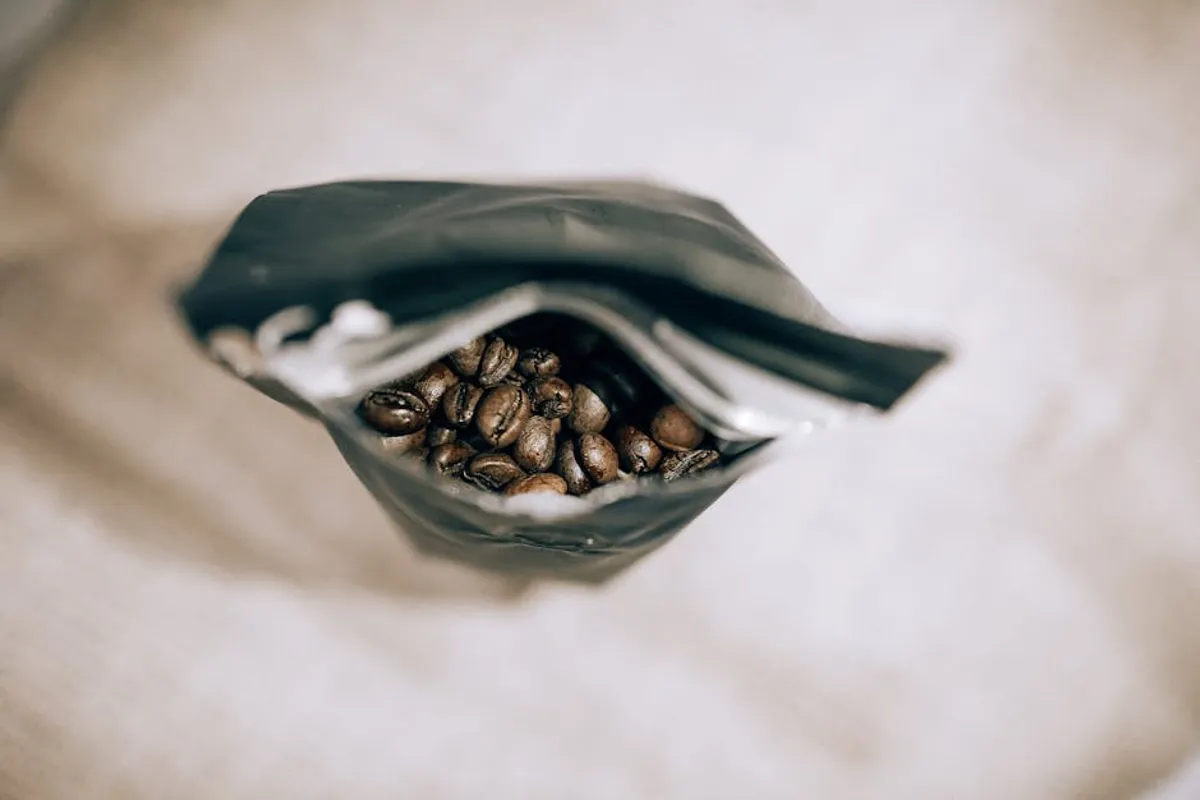
For any cafe, the coffee bean is not merely an ingredient; it is the fundamental determinant of customer experience, brand reputation, and ultimately, commercial success. The choice of beans dictates the flavor profile, aroma, and mouthfeel of every beverage served, directly influencing customer satisfaction and repeat business. Understanding the nuanced impact of bean selection, from origin to roast, is crucial for establishing a distinctive cafe identity and optimizing operational efficiency.
The Foundation of Flavor: Understanding Bean Origin and Varietals
The journey of a coffee bean begins with its origin, a factor that profoundly shapes its inherent characteristics. Different regions, altitudes, and microclimates impart unique flavor notes, acidity, and body to the bean. For a cafe operator, this translates directly into menu differentiation and customer appeal.
Single Origin vs. Blends: Commercial Implications
Single-origin coffees, sourced from a specific farm or region, offer distinct flavor profiles that reflect their terroir. These often command higher prices and appeal to customers seeking unique, traceable experiences. Cafes can leverage single origins to showcase expertise and offer rotating specials, driving engagement and perceived value. For instance, an Ethiopian Yirgacheffe might feature bright, floral notes, while a Colombian Supremo could offer a balanced, nutty profile. Marketing these specific attributes can attract a knowledgeable customer base.
Coffee blends, on the other hand, combine beans from various origins to achieve a consistent flavor profile over time, often balancing cost and taste. Blends are typically the workhorse of a cafe's espresso program, designed for reliability and versatility with milk. A well-constructed blend can offer complexity and depth that single origins might lack for certain applications, providing a consistent base for daily operations and ensuring customer loyalty through dependable flavor.
Arabica vs. Robusta: Impact on Taste and Cost
The two primary species of coffee beans, Arabica and Robusta, represent a critical commercial decision point:
- Arabica: Dominates the specialty coffee market due to its complex aromatic profile, higher acidity, and diverse flavor notes (fruits, florals, chocolate, nuts). Arabica beans typically grow at higher altitudes, requiring more care, which contributes to their higher cost. Cafes aiming for a premium positioning and sophisticated taste experience primarily rely on Arabica.
- Robusta: Known for its higher caffeine content, stronger, bolder flavor, and excellent crema production, Robusta is more resilient and grows at lower altitudes, making it more cost-effective. While often associated with lower-quality coffee, high-grade Robustas are increasingly used in espresso blends to add body, intensity, and a persistent crema, particularly in European-style espresso. A strategic inclusion of a small percentage of quality Robusta can enhance an espresso blend's texture and reduce overall bean cost without significantly compromising flavor.
Processing Methods: From Farm to Cup Profile
After harvesting, the method used to process coffee cherries significantly impacts the final flavor. These methods dictate how much of the fruit's natural sugars and acids interact with the bean, shaping its character before roasting.
Washed, Natural, and Honey: How Processing Shapes Character
Washed (or wet) processing involves removing the cherry pulp before drying, resulting in a cleaner, brighter, and more acidic cup profile. This method highlights the bean's inherent characteristics and is favored for showcasing delicate flavors. For cafes, washed coffees offer clarity and often pair well with lighter roasts and manual brewing methods, appealing to connoisseurs.
Natural (or dry) processing involves drying the entire coffee cherry with the bean inside. This allows the fruit's sugars to ferment around the bean, imparting intense fruitiness, heavier body, and lower acidity. Natural processed coffees can create bold, sweet, and sometimes wine-like flavors, offering a distinct experience that can attract customers seeking adventurous profiles.
Honey processing is a hybrid method where some or all of the cherry mucilage (the sticky layer beneath the skin) is left on the bean during drying. This method offers a balance between the clean notes of washed coffees and the fruitiness of naturals, often resulting in a sweet, well-rounded cup with a syrupy body. Honey-processed beans can provide a versatile option for cafes looking for nuanced sweetness and balanced acidity in their offerings.
Roasting: The Art and Science of Unlocking Potential
Roasting is the transformative stage where the green coffee bean develops its characteristic aroma, color, and flavor. The roast profile—the time and temperature applied—is crucial for extracting the desired qualities from the bean and catering to specific brewing methods and customer preferences.
Light, Medium, Dark: Matching Roast Levels to Cafe Offerings
Light roasts preserve more of the bean's original flavor characteristics, highlighting acidity, fruit notes, and floral aromas. These are often preferred for single-origin coffees and manual brew methods like pour-overs, appealing to customers who appreciate complexity and nuance.
Medium roasts offer a balance of acidity, body, and sweetness. They develop more caramelization and a fuller body while retaining some of the bean's origin flavors. Medium roasts are highly versatile and often serve as the foundation for a cafe's house blend or drip coffee, catering to a broader customer base.
Dark roasts result in a bolder, smokier flavor with lower acidity and a heavier body. Origin characteristics are less pronounced, giving way to roast-derived notes like chocolate, nuts, and sometimes a slight bitterness. Dark roasts are popular for traditional espresso and milk-based drinks, as their robust flavors cut through milk effectively. Offering a dark roast option ensures a cafe caters to customers who prefer a more intense, less acidic coffee experience.
Freshness and Storage: Preserving Peak Quality
Even the highest quality beans can deliver a subpar experience if not handled correctly post-roast. Freshness is paramount; coffee begins to degrade immediately after roasting as gases escape and oils oxidize, leading to stale flavors and diminished aroma. For a cafe, this directly impacts customer satisfaction and can lead to wasted product.
Proper storage is critical. Beans should be kept in airtight containers, away from light, heat, and moisture, ideally at room temperature. Purchasing beans in appropriate quantities to ensure rapid turnover minimizes degradation and guarantees a consistent, high-quality product for customers.
Pro Tip: Never store roasted coffee beans in a refrigerator. The fluctuating temperatures and high humidity inside a fridge can accelerate staling and cause the beans to absorb unwanted odors from other food items, severely compromising their flavor profile and your cafe's reputation for quality.
Beyond the Cup: Operational Benefits of Quality Beans
The impact of quality coffee beans extends beyond flavor to operational efficiency and profitability. Consistently high-quality beans simplify barista training and workflow. When beans extract predictably, baristas can achieve optimal results with fewer adjustments, reducing waste from poorly pulled shots or inconsistent brews. This consistency builds customer trust and reduces the likelihood of complaints, freeing up staff to focus on service and other tasks. Furthermore, well-performing beans often require less maintenance on grinders and espresso machines, as they produce less fine particulate or oil buildup, contributing to longer equipment lifespan and reduced service costs.
Strategic Sourcing for Enhanced Cafe Performance
Investing in quality coffee beans is a strategic decision that underpins a cafe's long-term success. It means understanding the supply chain, evaluating potential suppliers based on their commitment to ethical sourcing and quality control, and testing various beans to find those that align with your cafe's brand and customer base. Educating staff on the nuances of different beans—their origins, processing, and roast profiles—empowers them to articulate value to customers, enhancing the overall experience and driving sales. Regularly reviewing customer feedback on coffee offerings allows for continuous refinement, ensuring the bean selection remains dynamic and responsive to market preferences.
Frequently Asked Questions
Do customers genuinely notice the difference between various coffee beans?
Yes, while not every customer can articulate specific flavor notes, most can discern differences in freshness, balance, and overall quality. A superior bean choice contributes to a more pleasant and memorable experience, leading to repeat visits and positive word-of-mouth.
How does bean quality affect a cafe's pricing strategy?
Higher quality, specialty-grade beans typically come at a higher cost. However, they allow cafes to justify premium pricing for their beverages, especially for single-origin offerings or expertly crafted espresso. This positions the cafe as a destination for quality, attracting a customer segment willing to pay more for an elevated experience.
Can a cafe offer high-quality coffee while managing costs effectively?
Absolutely. Strategic sourcing involves finding reputable suppliers who offer competitive pricing for quality beans. Utilizing blends can help manage costs for high-volume drinks, while rotating single-origin offerings can provide premium options without committing to large quantities. Efficient inventory management and minimizing waste through proper brewing techniques also contribute significantly to cost control.
What role does bean quality play in a cafe's brand identity?
The choice of coffee beans is central to a cafe's brand identity. It communicates a commitment to quality, flavor, and often, ethical sourcing. A cafe known for its exceptional coffee builds a strong reputation, differentiating itself in a competitive market and fostering customer loyalty based on a consistent, superior product.