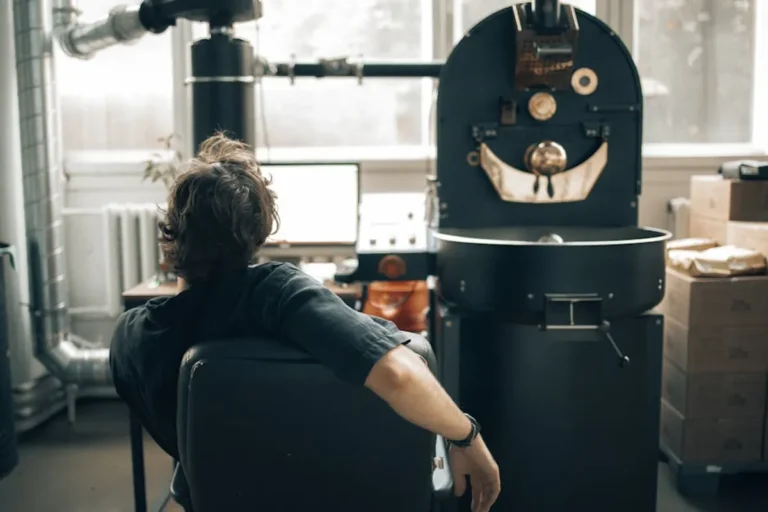

For coffeehouse operators, the focus often centers on bean selection, brew methods, and menu innovation. While these are foundational, neglecting the surrounding atmosphere is a significant oversight, impacting everything from customer acquisition to long-term profitability. Atmosphere in a coffeehouse is not merely decor; it is a meticulously crafted sensory experience that dictates customer perception, influences purchasing behavior, and establishes brand identity in a competitive market. Understanding its commercial weight allows owners to move beyond reactive design choices and implement strategic environmental planning that drives measurable business outcomes.
Beyond the Bean: Defining Coffeehouse Atmosphere
Atmosphere encompasses the full sensory environment a customer encounters upon entering a coffeehouse. This includes visual elements like lighting, color palette, and furnishings; auditory components such as music, ambient noise levels, and conversational buzz; olfactory cues from coffee aromas and cleanliness; and tactile sensations from seating comfort to cup feel. Each of these elements, when intentionally designed, contributes to a cohesive experience that either aligns with or detracts from the coffeehouse's brand promise.
- Visual Design: Considers natural light integration, artificial lighting warmth/intensity, color schemes (e.g., warm tones for comfort, cool tones for modernity), material textures (wood, metal, upholstery), and spatial layout for flow and intimacy.
- Acoustic Environment: Manages background music genre and volume, sound-dampening materials, and the arrangement of seating to facilitate conversation without excessive noise bleed.
- Olfactory Experience: Prioritizes fresh coffee aromas, controlled food smells, and eliminates unpleasant odors through effective ventilation and rigorous cleaning protocols.
- Tactile Comfort: Addresses seating ergonomics, table stability, temperature regulation, and the physical quality of service items like mugs and cutlery.
The Commercial Impact of Ambiance
A well-executed atmosphere directly translates into commercial advantages, influencing customer behavior and financial performance.
Influencing Dwell Time and Spend
A comfortable and engaging environment encourages customers to linger longer. Increased dwell time correlates with higher average transaction values, as patrons are more likely to order additional beverages, food items, or merchandise. Strategic seating arrangements, reliable Wi-Fi, and accessible power outlets cater to remote workers and social groups, extending their stay and potential spend.
Justifying Premium Pricing
Customers often perceive a higher value for products consumed in a superior environment. An exceptional atmosphere can justify premium pricing for coffee and food items, moving the coffeehouse beyond a commodity perception. This allows for healthier profit margins without solely competing on price, appealing to a segment of the market willing to pay for an elevated experience.
Driving Repeat Visits and Referrals
A distinctive and pleasant atmosphere creates memorable experiences, fostering emotional connections that drive customer loyalty. Patrons are more likely to return to a place where they feel comfortable, productive, or relaxed. Furthermore, positive experiences are a primary driver of word-of-mouth marketing and online reviews, acting as organic customer acquisition channels.
Pro Tip: Regularly conduct anonymous customer surveys or observation studies to assess perceived atmosphere elements. Focus on dwell time, average check size increases, and repeat visit rates before and after atmosphere adjustments to quantify commercial impact. Small, iterative changes based on feedback can yield significant returns.
Atmosphere as a Marketing and Branding Asset
The physical environment is a powerful, non-verbal communication tool for a coffeehouse's brand. It shapes perception and supports marketing efforts.
Visual Identity and Social Media Engagement
A visually appealing and unique interior design provides organic content for social media. Customers frequently share photos of attractive spaces, effectively becoming brand ambassadors. This user-generated content (UGC) is highly credible and extends the coffeehouse's reach without direct advertising spend. An Instagrammable aesthetic translates directly into free marketing exposure.
Word-of-Mouth Amplification
When customers have a positive and distinct experience, they are more inclined to share it with friends, family, and colleagues. This organic referral network is invaluable, as recommendations from trusted sources carry more weight than traditional advertising. A compelling atmosphere gives people something specific and positive to talk about.
Local SEO Signals and Online Reputation
Online reviews frequently mention atmosphere as a key differentiator. Positive mentions of comfort, aesthetics, and overall vibe in platforms like Google Business Profile, Yelp, or TripAdvisor contribute to a coffeehouse's local SEO performance and overall online reputation. These reviews signal to search engines and prospective customers that the establishment offers a desirable experience beyond just its core product.
Operationalizing Ambiance: Practical Considerations
Translating atmospheric concepts into daily operations requires deliberate planning and execution.
Staff Training: Employees are integral to the atmosphere. Training should cover not just service standards but also how to contribute to the desired mood through their demeanor, attentiveness, and interaction style. A friendly, efficient, and knowledgeable staff enhances any physical environment.
Maintenance and Cleanliness: Even the most thoughtfully designed space loses its appeal if it's not impeccably maintained. Regular cleaning, timely repairs, and attention to detail (e.g., clean restrooms, organized condiment stations) are non-negotiable for preserving the intended atmosphere.
Flexibility and Adaptability: An effective atmosphere can adapt to different times of day or seasons. This might involve adjusting lighting levels, music choices, or even seating arrangements to cater to morning commuters, lunchtime meetings, or evening socializers.
Strategic Ambiance for Business Growth
The atmosphere in a coffeehouse is a strategic asset that impacts every facet of the business, from customer acquisition and retention to pricing power and brand perception. By intentionally designing and meticulously maintaining the sensory environment, operators can cultivate a unique identity that resonates with their target audience, fosters loyalty, and drives sustainable growth. It's an investment in the overall customer experience that yields tangible commercial returns, proving that the space surrounding the coffee is as critical as the brew itself.
Frequently Asked Questions
How does atmosphere directly affect customer spending habits?
A welcoming and comfortable atmosphere encourages customers to stay longer, increasing the likelihood they will order additional items like pastries, snacks, or a second beverage, directly boosting their average transaction value.
Can a coffeehouse's atmosphere be changed without a major renovation?
Yes, significant atmospheric shifts can be achieved through non-structural changes. Adjusting lighting, updating music playlists, introducing new art or plants, rearranging furniture, or even changing scent profiles can dramatically alter the perception and feel of a space.
What are the most critical elements of a positive coffeehouse atmosphere?
Key elements include comfortable and varied seating, appropriate lighting (balancing natural and artificial), a curated soundscape, a clean and inviting aroma, and a consistent aesthetic that reflects the brand's identity.
Is the quality of coffee secondary to the atmosphere?
Neither is secondary; they are complementary. Exceptional coffee is foundational for any coffeehouse, but a poor atmosphere can detract from even the best brew. Conversely, a great atmosphere can enhance the perception of good coffee, creating a holistic and memorable customer experience.