
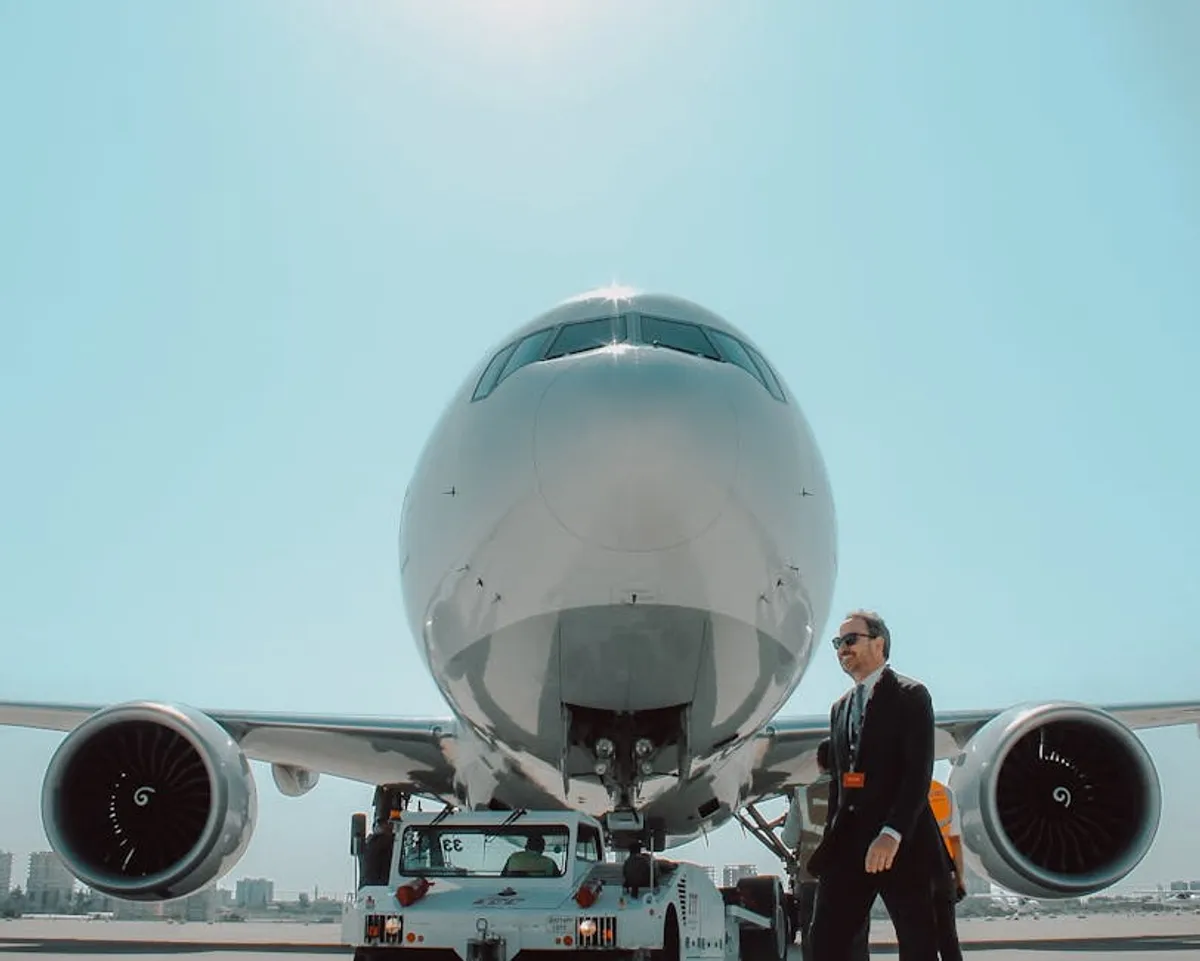
Sustainable Aviation Fuel (SAF) represents a critical pathway for businesses aiming to decarbonize their aviation-related operations and supply chains. Unlike conventional jet fuel derived from fossil sources, SAF is produced from renewable biomass and waste resources, offering a tangible reduction in lifecycle greenhouse gas emissions. For companies with significant airfreight logistics, corporate travel programs, or those operating within the aviation sector, understanding SAF is no longer optional; it's a strategic imperative influencing compliance, brand reputation, and long-term operational resilience.
Understanding Sustainable Aviation Fuel
SAF is a direct replacement for traditional jet fuel, compatible with existing aircraft engines and infrastructure, though typically used in blends. Its primary differentiator lies in its feedstock and production methods, which significantly lower carbon intensity compared to petroleum-based alternatives. The lifecycle emissions reduction can range from 50% to over 80%, depending on the feedstock and production pathway.
Key Production Pathways and Feedstocks
The development of SAF encompasses various technological routes, each with distinct characteristics regarding feedstock availability, production scalability, and environmental impact. The most established and commercially available pathways include:
- Hydroprocessed Esters and Fatty Acids (HEFA): Derived from used cooking oil, animal fats, and non-food agricultural oils. This is currently the most common SAF pathway.
- Fischer-Tropsch (FT-SPK): Produced from syngas generated from municipal solid waste, agricultural residues, or forestry waste.
- Alcohol-to-Jet (ATJ): Converts alcohols (ethanol, isobutanol) derived from biomass into jet fuel.
- Direct Sugar to Hydrocarbon (DSHC): Ferments sugars from biomass into hydrocarbons.
- Power-to-Liquid (PtL): Utilizes renewable electricity to produce hydrogen and captures carbon dioxide to synthesize liquid fuels. This pathway holds significant long-term potential but is less mature.
Each pathway adheres to stringent certification processes to ensure fuel quality and sustainability criteria are met, preventing unintended environmental consequences such as deforestation.
Specifications and Regulatory Frameworks
For SAF to be used in commercial aviation, it must meet the same rigorous safety and performance standards as conventional jet fuel. The primary standard governing SAF is ASTM D7566, "Standard Specification for Aviation Turbine Fuel Containing Synthesized Hydrocarbons." This specification outlines the approved blend percentages and technical requirements for various SAF pathways, ensuring operational integrity and engine compatibility.
Currently, SAF is approved for blending with conventional jet fuel at up to 50%, though research and regulatory efforts are ongoing to approve higher blend ratios, including 100% SAF flights. The regulatory landscape also includes various national and international mandates and incentives, such as the European Union’s ReFuelEU Aviation initiative and the U.S. SAF Grand Challenge, which aim to accelerate SAF adoption through blending obligations and tax credits.
Pro Tip: Businesses evaluating SAF options should prioritize suppliers whose products are certified under ASTM D7566. This ensures the fuel meets aviation safety and performance standards, a non-negotiable for operational use. Verification of feedstock sustainability certifications (e.g., ISCC PLUS, RSB) is also crucial for substantiating carbon reduction claims.
Commercial Uses and Strategic Adoption
The application of SAF extends beyond direct aircraft fueling. Businesses are engaging with SAF through various mechanisms:
Direct Purchase for Fleet Operations: Airlines and cargo operators are the primary direct purchasers, integrating SAF into their fuel supply chains to meet sustainability targets and regulatory requirements.
Corporate Travel Programs: Companies with significant employee air travel are increasingly investing in SAF through "book-and-claim" systems. This allows them to claim the environmental benefits of SAF even if the specific flights their employees take do not physically use the fuel. The SAF is uplifted elsewhere, and the environmental attributes are transferred.
Supply Chain Decarbonization: Businesses moving goods via air cargo can partner with logistics providers or airlines offering SAF-powered freight options. This enables them to reduce Scope 3 emissions associated with their value chain.
Investment and Partnerships: Some companies are investing directly in SAF production facilities or engaging in long-term off-take agreements to secure future supply and support market development.
Strategic Buying Considerations for SAF
Acquiring SAF involves navigating a nascent yet rapidly evolving market. Key factors for businesses to consider include:
Availability and Supply Security: SAF production remains limited compared to demand. Evaluate suppliers' production capacity, geographical reach, and ability to ensure consistent supply. Long-term contracts can mitigate price volatility and supply risks.
Cost Premium: SAF typically carries a higher price tag than conventional jet fuel due to feedstock costs, production complexity, and nascent economies of scale. Assess the budget implications and potential for carbon credit generation or sustainability reporting benefits to offset costs.
Sustainability Credentials: Verify the lifecycle emissions reduction claims. This includes scrutinizing feedstock origin to ensure it doesn't contribute to deforestation or compete with food production, and confirming the production process minimizes other environmental impacts.
Mechanism of Purchase: Decide between physical SAF delivery (if feasible for direct operators) or environmental attribute purchasing via book-and-claim. The latter is often more accessible for corporate travel and indirect emissions reduction.
Regulatory Compliance and Reporting: Understand how SAF purchases contribute to specific regulatory mandates or voluntary sustainability reporting frameworks (e.g., SBTi, CDP). Ensure proper documentation for audit and verification.
Navigating the SAF Market: A Strategic Approach
Engaging with the sustainable aviation fuel market requires a proactive and informed strategy. For businesses, this means moving beyond a simple transactional view to considering SAF as an integral component of broader sustainability and risk management frameworks. Prioritize partnerships with reputable suppliers, understand the nuances of various purchasing mechanisms, and continuously monitor policy developments that could impact supply, demand, and cost. By taking a structured approach, companies can effectively leverage SAF to meet ambitious decarbonization goals, enhance corporate responsibility, and maintain a competitive edge in an increasingly carbon-conscious global economy.
Frequently Asked Questions
What is the primary benefit of using Sustainable Aviation Fuel (SAF)?
The primary benefit of SAF is its significant reduction in lifecycle greenhouse gas emissions compared to traditional jet fuel, typically ranging from 50% to over 80%. This directly supports decarbonization efforts in the aviation sector.
Is SAF compatible with existing aircraft and infrastructure?
Yes, SAF is a "drop-in" fuel, meaning it is fully compatible with existing aircraft engines and fueling infrastructure when blended with conventional jet fuel at approved ratios (currently up to 50% for most pathways, with efforts to approve 100% SAF). No modifications to aircraft or infrastructure are required.
How is the environmental impact of SAF verified?
The environmental impact and sustainability of SAF are verified through third-party certifications (e.g., ISCC PLUS, RSB) that assess feedstock sourcing, production processes, and lifecycle emissions. These certifications ensure that SAF production adheres to strict environmental and social criteria, preventing unintended negative consequences.
What is a "book-and-claim" system for SAF?
A "book-and-claim" system allows companies to purchase the environmental attributes of SAF without physically receiving the fuel. The SAF is uplifted into an aircraft elsewhere, and the associated emissions reductions are then claimed by the purchasing company, often for corporate travel or cargo, providing a mechanism for indirect decarbonization.