
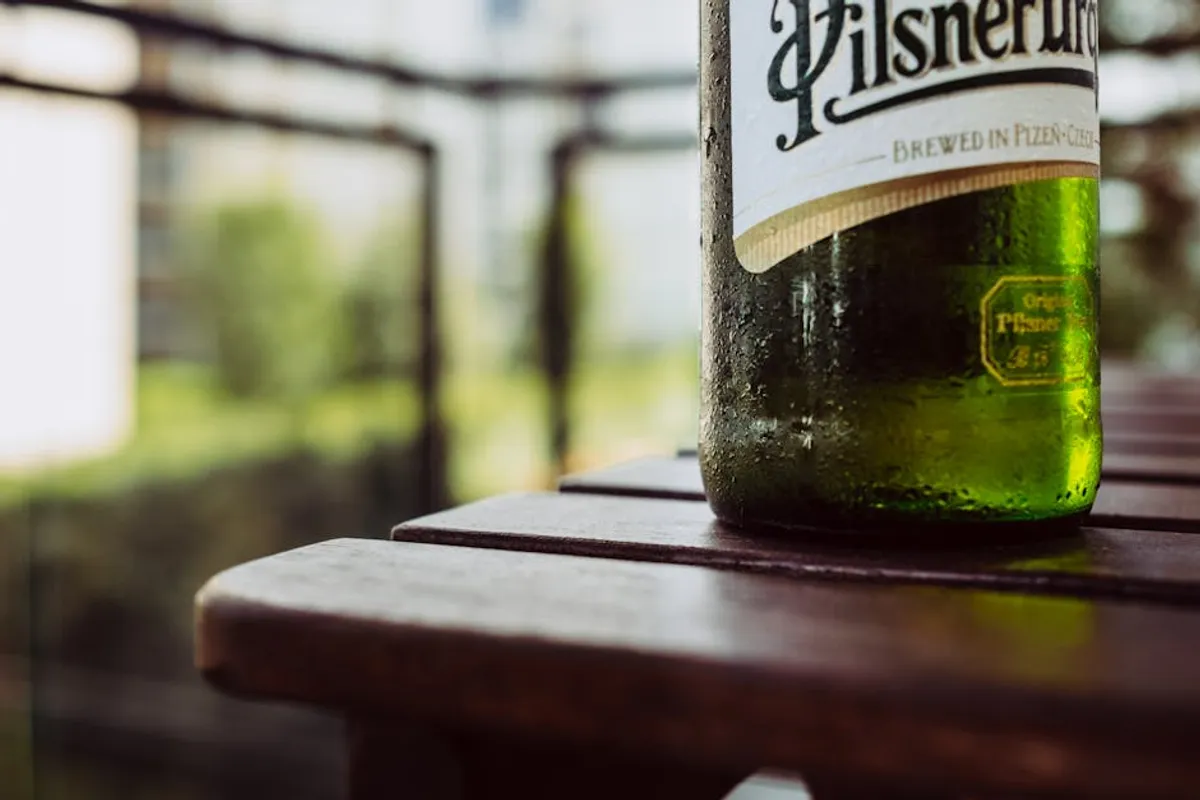
Pilsner, a golden, crisp lager style originating from the Czech city of Plzeň in 1842, has evolved into a global beer category with distinct regional interpretations. For consumers navigating menus or store shelves, understanding the nuances between Czech, German, and craft Pilsners, along with their typical pricing and availability, is crucial for making an informed selection. This guide details the characteristics that define various Pilsner brands, offering a framework for identifying specific styles and making choices aligned with individual preferences and budgets.
Understanding Pilsner: Key Characteristics and Sub-Styles
The original Pilsner, now known as Bohemian or Czech Pilsner, set the standard for clear, golden lagers. Its defining features include a pale to deep golden color, brilliant clarity, a dense white head, and a balanced profile. Traditional Czech Pilsners often feature a rich, bready malt backbone, a pronounced noble hop aroma and flavor (primarily Saaz hops), and a noticeable but clean bitterness. Some traditional examples may exhibit a slight diacetyl character (butterscotch), which is considered acceptable within the style.
German Pilsners, while sharing the core crispness, tend to be drier, lighter in body, and often showcase a more assertive hop bitterness and aroma from German noble hops like Hallertauer, Tettnanger, or Spalt. They emphasize a clean, snappy finish without the bready sweetness or potential diacetyl of their Czech counterparts. American Craft Pilsners often blend these traditions, sometimes incorporating new-world hops for a contemporary twist while retaining the essential clean lager character.
Navigating Pilsner Menus: Decoding Your Options
When selecting a Pilsner from a menu or retail display, several data points help distinguish offerings:
- Origin: Czech Republic (Bohemian Pilsner), Germany (German Pils), or local/craft (American Pilsner). This indicates stylistic adherence.
- ABV (Alcohol By Volume): Most Pilsners range from 4.4% to 5.4%, indicating a sessionable, approachable strength.
- IBU (International Bitterness Units): Typically between 25-45, with German Pilsners often at the higher end, reflecting their more pronounced hop presence.
- Malt Profile: Look for descriptions like "bready," "biscuity," "light," or "crisp" to gauge malt sweetness and body.
- Hop Character: Notes of "spicy," "floral," "grassy," or "herbal" indicate noble hop influence, while "citrus" or "pine" suggest modern hop varieties in craft versions.
Understanding these descriptors allows for a more precise selection, matching the beer to personal taste or food pairing intentions.
Prominent Pilsner Brands and Their Offerings
Classic Czech Pilsners
These brands represent the original style, known for their malt complexity and Saaz hop character. Pilsner Urquell, brewed in Plzeň, Czech Republic, is the archetypal example, offering a rich, full-bodied malt profile with a distinct spicy hop bitterness and a signature golden hue. Budweiser Budvar (marketed as Czechvar in North America) presents a similar profile but often with a slightly softer bitterness and a more pronounced malt sweetness.
German Pilsners
German Pilsners prioritize a drier, crisper finish with a more direct hop bitterness. Brands like Bitburger, Warsteiner, Krombacher, and Jever exemplify this style. Bitburger is known for its clean, dry profile and assertive bitterness. Warsteiner offers a slightly softer, more balanced interpretation, while Jever is notably drier and more hop-forward, appealing to those who prefer a sharper, more bitter finish.
Craft and American Pilsners
The craft beer movement has embraced Pilsner, often with innovative twists. Many American craft breweries produce excellent examples that honor either the Czech or German tradition, or blend them. Sierra Nevada's "Nooner Pilsner" and Firestone Walker's "Pivo Pils" are well-regarded examples that showcase a clean, crisp profile with notable hop aroma and flavor, often leaning towards the German style's dryness but with a contemporary hop selection.
Mass-Market International Pilsner-Style Lagers
Brands such as Stella Artois, Heineken, and Peroni are widely available and often categorized as "Pilsner-style" lagers. While they share the golden color and general crispness, their flavor profiles are typically milder, with less pronounced hop character and a more neutral malt base compared to traditional Czech or German Pilsners. These are often brewed for broad appeal and consistent, accessible flavor.
Pilsner Pricing: What to Expect
Pilsner pricing varies significantly based on origin, brand recognition, brewing scale, and distribution.
Factors influencing price:
- Import Status: Authentic Czech or German Pilsners often carry a higher price due to import costs and duties.
- Craft vs. Mass-Market: Craft Pilsners, especially from smaller regional breweries, typically command a premium over large-scale international brands due to production volume and ingredient costs.
- Packaging: Cans and bottles are standard, with specialty formats or larger packs sometimes offering a per-unit discount. Draft prices are influenced by local market dynamics.
Generally, mass-market Pilsner-style lagers are the most economical, followed by widely distributed German Pilsners. Authentic Czech Pilsners and craft American Pilsners often occupy the mid-to-higher price points. Expect to pay anywhere from $8-$12 for a 6-pack of mass-market options, $10-$16 for German imports, and $12-$20 for craft or premium imported Czech Pilsners.
Choosing Your Pilsner: A Practical Guide
For Traditionalists: Czech Pilsners
If you appreciate a richer malt presence, a hint of bready sweetness, and the classic spicy aroma of Saaz hops, focus on Czech Pilsners like Pilsner Urquell or Budweiser Budvar/Czechvar. These offer a historical and authentic experience.
For Hop-Forward Preferences: German Pilsners
Those who prefer a drier, snappier finish with a more pronounced, clean bitterness and herbal hop aroma will find German Pilsners like Bitburger or Jever more appealing. These are often perceived as more refreshing due to their crispness.
For Everyday Enjoyment: Accessible International Brands
For a consistent, widely available, and generally milder experience, brands such as Stella Artois or Heineken offer a familiar "Pilsner-style" lager that is easy to drink and pairs broadly with many foods.
For Exploring Craft: Local or Well-Regarded American Craft Pilsners
To experience modern interpretations or regionally specific takes on the style, seek out craft breweries known for their lagers. Many American craft brewers meticulously brew Pilsners that can rival their European counterparts, sometimes with unique hop profiles.
Pro Tip: Pilsners are best enjoyed fresh. Check the "bottled on" or "best by" date on packaging. Hops degrade over time, leading to a loss of aroma and bitterness, which are crucial to the Pilsner style. Store them cold and away from light to preserve their delicate flavors.
Optimizing Your Pilsner Experience
To fully appreciate a Pilsner, serving temperature and glassware are essential. Serve Pilsners chilled, ideally between 40-45°F (4-7°C). This temperature range allows the crispness and hop character to shine without numbing the palate. Traditional Pilsner glasses, often tall and tapered with a wide mouth, help showcase the beer's golden clarity, dense head, and allow for the release of its aromatic compounds. Always pour into a clean glass to ensure proper head formation and carbonation.
Frequently Asked Questions
What is the difference between a Pilsner and a Lager?
Pilsner is a specific type of lager. All Pilsners are lagers, but not all lagers are Pilsners. Lagers are a broad category of beers fermented with bottom-fermenting yeast at colder temperatures, resulting in a cleaner, crisper profile. Pilsner is a sub-style of lager characterized by its golden color, noble hop aroma, and distinct bitterness.
Are all Pilsners bitter?
Pilsners are characterized by a noticeable hop bitterness, but the intensity varies. German Pilsners generally have a more assertive bitterness, while Czech Pilsners balance bitterness with a richer malt sweetness. Craft Pilsners can range widely depending on the brewer's intent, but a clean, refreshing bitterness is a hallmark of the style.
What food pairs best with Pilsner?
The crisp, clean profile and moderate bitterness of Pilsners make them highly versatile for food pairing. They cut through rich foods and complement lighter fare. Ideal pairings include grilled chicken, fish and chips, salads, spicy Asian cuisine, pizza, and mild cheeses. Their refreshing quality also makes them excellent with fried foods.
How long does Pilsner stay fresh?
Pilsners are best consumed fresh, typically within 3-6 months of packaging, especially for hop-forward varieties. The delicate hop aromas and flavors can diminish over time, and the beer may develop off-flavors if exposed to light or heat. Always check the "best by" or "bottled on" date for optimal enjoyment.