
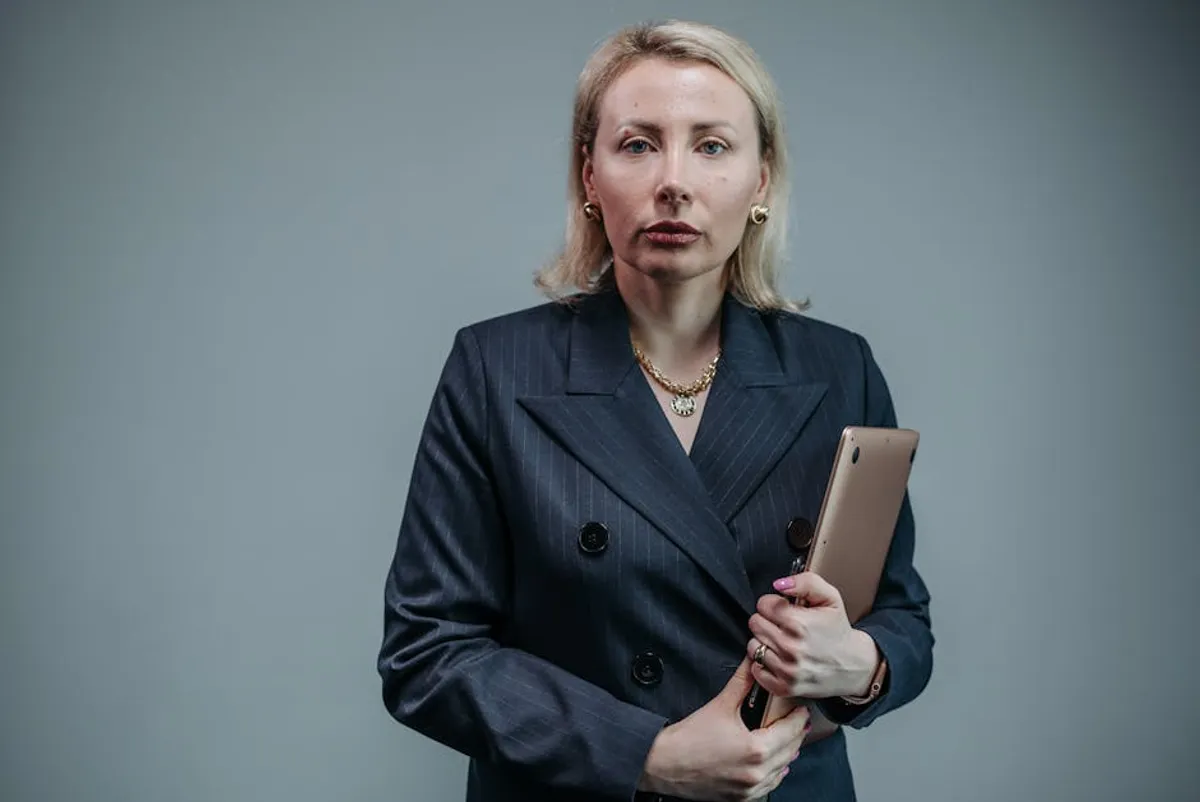
The online search growth surrounding a personal brand like Nadine Caridi provides a tangible case study for hospitality brands aiming to cultivate strong individual or organizational identities. In an increasingly competitive digital landscape, where guest decisions are often influenced by perceived authenticity and connection, understanding the mechanics behind personal brand visibility becomes critical. This analysis explores the search profile of Nadine Caridi, examining the types of content driving her online presence, the audience segments she attracts, and the underlying search intents, all while drawing parallels for how hospitality entities can leverage similar dynamics for their own growth.
What Nadine Caridi's Online Presence Appears to Cover
Nadine Caridi's online content profile is primarily built around biographical information, personal insights, and her public persona. Search queries often lead to articles detailing her past associations, particularly her former marriage to Jordan Belfort, and her subsequent life and career. Her personal website and associated media coverage frequently cover topics such as her current professional endeavors, personal philosophy, and lifestyle. This includes content relating to her work as a therapist and relationship expert, often presented through interviews, articles, and social media posts. For hospitality brands, this mirrors the content strategy of a prominent chef sharing recipes and culinary philosophy, a hotelier discussing design principles, or a resort owner detailing sustainable practices. The content isn't just promotional; it's about building a narrative that humanizes the brand.
Content Categories:
- Biographical Information: Details about her life, background, and key personal milestones.
- Professional Expertise: Content related to her work as a therapist, often including advice on relationships, well-being, and personal growth.
- Lifestyle & Personal Interests: Insights into her daily life, hobbies, and values, which contribute to a relatable public image.
- Media & Public Appearances: Coverage from interviews, podcasts, and other media outlets that discuss her story or expertise.
These categories collectively form topic clusters around personal development, celebrity connections, and inspirational life stories. For hospitality, this translates to a hotel's founder sharing their vision, a restaurant's head chef detailing their culinary journey, or a boutique resort owner showcasing the local culture that inspires their property.
Where Its Search Traffic May Come From
Search traffic for Nadine Caridi predominantly originates from direct navigational queries for her name, often driven by prior media exposure or curiosity stemming from her public associations. Users searching for "Nadine Caridi" are typically seeking specific information about her. Beyond direct searches, traffic also likely comes from long-tail queries related to her past, her current professional role, or specific events she has been associated with. This includes searches like "Nadine Caridi therapist" or "Jordan Belfort ex-wife." The visibility is amplified by evergreen content on news archives, celebrity gossip sites, and personal development platforms. Hospitality brands can draw lessons from this by ensuring their key personnel (e.g., General Managers, Executive Chefs, Head Sommeliers) have optimized personal profiles and content that ranks for their names and associated expertise, creating multiple entry points for potential guests.
Primary Traffic Drivers:
- Direct Name Searches: Users specifically looking for information about Nadine Caridi.
- Related Entity Searches: Queries linking her to other public figures or events.
- Professional Role Searches: Individuals seeking her expertise as a therapist or relationship coach.
- Media Mentions: Spikes in traffic following interviews, articles, or social media features.
For a hospitality brand, this implies that a well-known sommelier's personal brand can draw traffic for "best wine pairing" queries, or a hotel's interior designer could rank for "luxury hotel design trends."
Search Intent Behind the Subject
The search intent behind queries for Nadine Caridi is primarily informational and navigational. Users are often seeking to learn more about her biography, understand her current activities, or find official sources of information, such as her professional website or social media profiles. There is also an element of commercial intent for those seeking her professional services as a therapist, though this is a secondary driver for broader name searches. The content that ranks well for her name typically satisfies curiosity about her personal story and professional journey. This mix of intent is crucial for hospitality brands:
- Informational Intent: "Who is Nadine Caridi?" "What does Nadine Caridi do now?" Similar to a guest searching "history of [hotel name]" or "best restaurants in [chef's city]."
- Navigational Intent: "Nadine Caridi official website," "Nadine Caridi LinkedIn." Analogous to "Marriott Bonvoy login" or "Hilton careers."
- Commercial/Transactional Intent: "Nadine Caridi therapy services," "book appointment with Nadine Caridi." For hospitality, this is direct booking intent for a specific hotel or restaurant reservation.
A strong personal brand, like Nadine Caridi's, addresses these varied intents by providing clear, accessible information across different platforms, ultimately guiding users to desired outcomes, whether it's learning more or engaging professionally.
Why Traffic May Rise or Fall
The search traffic for a personal brand like Nadine Caridi is highly susceptible to external factors and media cycles. Traffic spikes often correlate with renewed media interest, mentions in high-profile publications, or significant personal announcements. Conversely, a lack of new content, reduced public appearances, or a decline in general media attention can lead to a gradual decrease in search visibility. Her traffic patterns are less about seasonal trends and more about event-driven interest. For hospitality brands, this highlights the importance of continuous engagement:
- Media Coverage: Positive news articles, interviews, or features can significantly boost visibility.
- Content Cadence: Regular updates to her personal site, blog posts, or social media activity help maintain relevance.
- Public Associations: Mentions by other prominent figures or in relevant industry discussions can drive new interest.
- Search Engine Algorithm Updates: Changes in how search engines rank personal profiles and biographical content can impact visibility.
A hospitality brand's traffic can similarly fluctuate based on press releases, awards, new menu launches, or even the social media activity of its prominent staff members. Consistent online presence and strategic media engagement are vital.
How the Site Could Improve Organic Visibility
To further enhance the organic visibility of Nadine Caridi's online presence, several strategies could be implemented, which also apply directly to hospitality brands:
- Structured Data Implementation: Utilizing schema markup (e.g., Person schema, Article schema) on her personal website can help search engines better understand and display her content in rich results, improving click-through rates. For hospitality, this means schema for hotels, restaurants, events, and reviews.
- Consistent Content Strategy: Developing a regular schedule for publishing articles, blog posts, or video content related to her expertise (therapy, relationships) would establish her as an authoritative voice, attracting more long-tail search queries. A hotel blog featuring local attractions or a restaurant sharing chef interviews would serve a similar purpose.
- Optimized Media Assets: Ensuring all images and videos are properly tagged with descriptive alt text and captions, and hosted on fast-loading platforms, improves discoverability and user experience. This is crucial for hospitality visuals like room tours, food photography, and event galleries.
- Backlink Building & Mentions: Actively seeking mentions and backlinks from reputable sources in the personal development, psychology, or lifestyle niches would signal authority to search engines. Hospitality brands benefit from links from travel blogs, local guides, and culinary review sites.
- Social Media Integration: While not a direct ranking factor, a strong social media presence can drive traffic and amplify content, leading to more searches and indirect SEO benefits. For hospitality, engaging on platforms like Instagram and TikTok is essential for brand building.
These tactics focus on building a comprehensive, authoritative, and user-friendly online footprint that satisfies diverse search intents.
What to Check Before Trusting Traffic Estimates
When evaluating search traffic estimates for a personal brand like Nadine Caridi, it is crucial to approach third-party data with caution. These estimates are often based on sampled data and algorithmic projections, which may not fully capture the nuances of individual search behavior or the impact of direct traffic. Key considerations include:
- Brand vs. Non-Brand Separation: Third-party tools often struggle to accurately distinguish between direct navigational searches for a person's name (brand search) and organic searches for related topics where the person's content might rank (non-brand search).
- Media-Driven Spikes: Personal brands can experience significant, but temporary, traffic surges due to external media events. These spikes may skew overall traffic estimates if not contextualized.
- Multiple Online Presences: A personal brand's content can be distributed across various platforms (personal website, social media, news sites). Aggregating traffic from all these sources for a holistic view is challenging for external tools.
- Geographic and Language Specificity: Traffic estimates may not accurately reflect search volumes from niche geographic regions or specific language queries, which can be relevant for a personal brand with a global audience or specific professional focus.
For hospitality brands, this means understanding that a hotel's direct bookings and repeat guest traffic might not be fully reflected in general SEO tool estimates, and that local search performance requires specific attention beyond broad national data.
FAQ
What defines a strong personal brand in online search?
A strong personal brand in online search is characterized by consistent, authoritative content across multiple platforms, high visibility for direct name searches, and the ability to rank for relevant long-tail queries related to one's expertise or public persona. It implies a clear, positive narrative that users can easily discover.
How can hospitality brands apply personal branding principles?
Hospitality brands can apply personal branding by elevating key individuals within their organization—such as a renowned chef, a visionary hotelier, or a lead designer—and developing their online presence. This involves creating dedicated content about their expertise, engaging in media opportunities, and building a consistent narrative that humanizes the brand and fosters trust with potential guests.
What content types best support personal brand search growth?
Content types that best support personal brand search growth include biographical articles, expert opinion pieces, interviews, video content (vlogs, Q&As), and active social media engagement. These formats allow for the sharing of personal stories, professional insights, and authentic interactions, which resonate with audiences and signal authority to search engines.
Why are direct name searches important for personal brands?
Direct name searches are crucial for personal brands because they indicate strong brand recognition and user intent. When users directly search for a person's name, they are often already aware of that individual and are seeking specific information, which represents a high-value audience segment for engagement or conversion.