
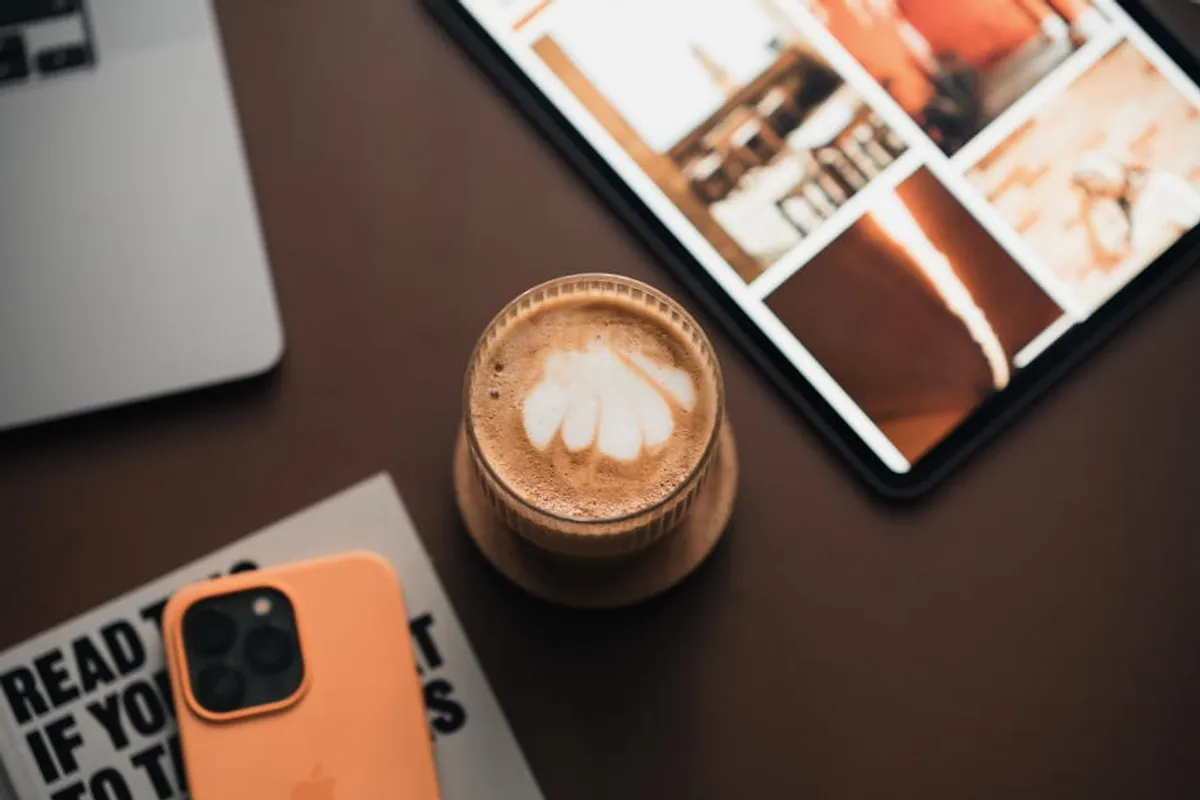
Latte art transcends mere beverage decoration; it represents a powerful visual asset and engagement driver for digital content. For SEO professionals, marketers, site owners, and publishers, understanding how to effectively integrate and leverage latte art within a content strategy can unlock significant commercial value. This isn't about mastering the pour, but rather recognizing its potential to capture attention, build community, and enhance brand storytelling in a crowded digital landscape. From attracting organic search traffic to sparking social media conversations, latte art offers a unique blend of aesthetic appeal and demonstrable skill that resonates deeply with audiences. Understanding its appeal can also help you appreciate the wider world of espresso drinks and their unique place in cafe culture.
Leveraging Latte Art for Visual Content Strategy
Tips for Creating Engaging Latte Art Content
Effective latte art content goes beyond a simple photo; it tells a story and provides value. For content creators, focusing on the narrative behind the art can significantly boost engagement. Consider producing short-form video tutorials that break down specific patterns, even if simplified, showcasing the precision and artistry involved. These can be particularly effective on platforms like Instagram Reels, TikTok, or YouTube Shorts, where quick, visually rich content thrives. Behind-the-scenes glimpses of baristas crafting intricate designs offer an authentic look at the skill, fostering appreciation and connection with the audience. Seasonal or event-specific latte art designs also provide timely, shareable content hooks, aligning with trending topics and holidays.
- High-Quality Visuals: Invest in proper lighting and camera equipment. Blurry or poorly lit images diminish the perceived value of the art and your brand.
- Storytelling Angles: Feature the barista, explain the inspiration behind a design, or highlight the creative process.
- User-Generated Content (UGC): Encourage customers or followers to share their latte art experiences using a specific hashtag. This builds community and provides authentic content.
- Educational Snippets: Offer quick tips on maintaining foam quality or achieving basic patterns, even for home enthusiasts.
Common Mistakes in Latte Art Content Marketing
While the visual appeal of latte art is undeniable, several pitfalls can undermine its marketing effectiveness. The most common error is neglecting image and video quality; pixelated or poorly composed shots fail to convey the artistry and can reflect negatively on brand perception. Another frequent misstep is a lack of context or storytelling. Presenting latte art without any narrative—who made it, why it's special, or what occasion it celebrates—reduces it to just another pretty picture, missing opportunities for deeper engagement. Inconsistent branding, where the visual style or messaging around latte art doesn't align with the broader brand identity, can confuse audiences and dilute brand recall. Finally, ignoring audience engagement, such as failing to respond to comments or questions about the art, squanders the potential for community building and direct interaction.
Pro Tip: Avoid over-commercialization. While the goal is marketing, presenting latte art solely as a sales tool without genuine appreciation for the craft or the skill involved can alienate audiences. Focus on celebrating the artistry first; commercial benefits will follow through enhanced brand reputation and engagement.
Case Studies: Effective Latte Art Examples in Action
Successful integration of latte art into marketing strategies demonstrates its versatility. Local cafes, for instance, frequently leverage unique latte art designs on their Instagram feeds, tagging their location and using relevant local hashtags. This strategy not only attracts foot traffic by showcasing a visually appealing product but also enhances their local SEO presence through geotagged content and user engagement signals. Larger coffee brands might employ latte art in seasonal campaigns, commissioning intricate designs that align with holiday themes or product launches. This creates buzz, generates shareable content, and reinforces brand identity during key purchasing periods. Content creators and influencers often build entire personal brands around coffee aesthetics, using elaborate latte art as a cornerstone of their visual identity, driving sponsorships and affiliate revenue through their engaged communities. Educational platforms, too, utilize latte art by offering online courses or workshops, turning a niche skill into a marketable learning experience.
Optimizing Latte Art Content for Search and Social
For latte art content to perform well, it requires strategic optimization. On the search front, consider targeting long-tail keywords such as "how to make tulip latte art" or "best latte art designs for fall." These specific queries attract users with high intent. Image SEO is critical: ensure all latte art images have descriptive alt text (e.g., "latte art heart design on flat white"), relevant file names (e.g., "tulip-latte-art-tutorial.jpg"), and consider implementing schema.org markup for recipes or how-to guides if applicable. For video content, optimize titles, descriptions, and tags on platforms like YouTube with relevant keywords, and create engaging custom thumbnails to improve click-through rates. Social media optimization involves using a mix of broad and niche hashtags (#latteart, #coffeelover, #baristalife, #microfoam), running interactive polls about favorite designs, and hosting contests that encourage user submissions. Cross-promotion across platforms also extends reach, ensuring your visually rich content is seen by the widest possible audience.
Practical Application: Integrating Latte Art into Your Content Calendar
To maximize the impact of latte art, plan its integration into your content calendar. Dedicate specific weeks or months to themes that naturally lend themselves to creative coffee art, such as "Fall Flavors & Foams" or "Holiday Coffee Creations." Schedule regular posts featuring tutorials, barista spotlights, or user-generated content showcases. Consider running a monthly "Latte Art Challenge" to encourage audience participation and generate fresh content ideas. For e-commerce businesses, align latte art content with product launches, demonstrating how new coffee beans or brewing equipment contribute to superior foam quality. Leverage analytics to identify which types of latte art content perform best with your audience, then double down on those formats and themes. This data-driven approach ensures your efforts are consistently yielding commercial results.
Frequently Asked Questions
How can latte art content improve local SEO for a cafe?
By featuring unique latte art on social media and your website with geotags, local hashtags, and high-quality images, you attract local searchers looking for visually appealing coffee experiences, driving foot traffic and online engagement.
What social media platforms are most effective for showcasing latte art?
Visually-driven platforms like Instagram, Pinterest, TikTok, and YouTube are ideal. Instagram and TikTok excel for short, engaging videos, while Pinterest is strong for visual discovery and inspiration, and YouTube supports longer-form tutorials.
Should I encourage user-generated content (UGC) for latte art?
Absolutely. UGC builds community, provides authentic social proof, and generates diverse content without direct effort from your team. Run contests or create specific hashtags to encourage submissions.
How can I measure the ROI of latte art content?
Track metrics such as social media engagement (likes, shares, comments), website traffic to related content, increases in brand mentions, and, for businesses, direct conversions like cafe visits or product sales linked to specific campaigns.