
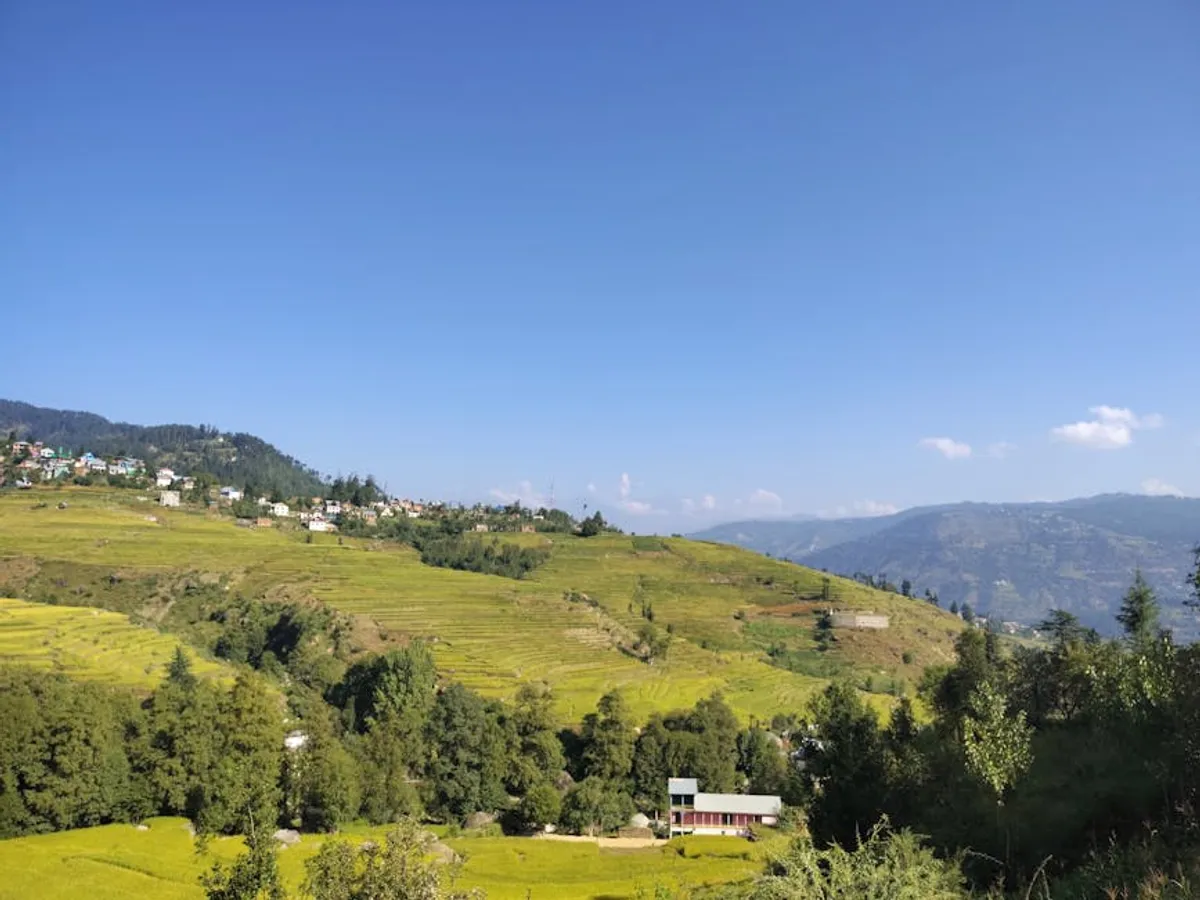
Jibhi, nestled in the serene Tirthan Valley of Himachal Pradesh, presents a distinct appeal for travelers seeking respite from urban environments. This guide provides a comprehensive overview of planning a visit, covering logistical considerations, typical costs, and essential local insights. Whether the objective is tranquil nature immersion, moderate trekking, or a cultural connection, understanding the specific dynamics of Jibhi ensures a productive and enjoyable experience.
Planning Your Jibhi Journey: Logistics and Timing
Optimal Visiting Periods
Selecting the right time for a Jibhi visit significantly impacts the experience.
Spring (March to May): Offers pleasant weather, with temperatures ranging from 10°C to 25°C. This period is ideal for trekking, outdoor activities, and enjoying the valley's blooming flora before the monsoon. Water levels in the river are moderate, and skies are generally clear.
Summer (June): Transitions into warmer days, but remains comfortable compared to plains. Early June is still good for outdoor activities.
Autumn (September to November): Presents crisp air and clear skies post-monsoon, with temperatures between 5°C and 20°C. This is another prime season for nature walks and photography, as the landscape turns vibrant with autumnal colors.
Winter (December to February): Characterized by cold temperatures, often dropping below freezing, and potential snowfall. While scenic, road access can be challenging, and outdoor activities are limited. This period suits travelers specifically seeking a snow-covered landscape and quiet solitude.
Monsoon (July to August): Heavy rainfall can lead to landslides and road closures, making travel difficult and outdoor activities risky. This is generally not recommended for first-time visitors.
Reaching Jibhi: Transportation Options
Access to Jibhi typically involves a combination of air, rail, or road travel to a major hub, followed by local transport.
Nearest Airport: Kullu-Manali Airport (Bhuntar, KUU) is approximately 60 kilometers from Jibhi. From Bhuntar, taxis are readily available, with fares ranging from INR 2,000 to INR 3,000, depending on negotiation and vehicle type. The journey takes around 2-3 hours.
Nearest Railway Station: Joginder Nagar Railway Station (JDNX) is about 145 kilometers away, primarily served by narrow-gauge trains. A more practical option for wider connectivity is Chandigarh Railway Station (CDG), approximately 270 kilometers from Jibhi. From Chandigarh, travelers can opt for overnight buses or hire private taxis.
Road Travel: Jibhi is well-connected by road from major cities like Delhi (around 500 km, 12-14 hours) and Chandigarh. Overnight Volvo buses operate regularly to Aut, a town on the Manali highway. From Aut, Jibhi is about 30 kilometers and can be reached by local buses or shared/private taxis. Taxi fares from Aut to Jibhi typically range from INR 800 to INR 1,200. Self-driving is an option, but mountain roads require caution and experience.
Accommodation in Jibhi: Types and Price Ranges
Jibhi offers a range of lodging options, catering to various budgets and preferences, from rustic homestays to more structured guesthouses.
Homestays and Guesthouses
These are the predominant accommodation types, providing a local experience. Many are family-run, offering home-cooked meals and insights into local life.
Price Range: Expect to pay between INR 1,500 to INR 3,500 per night for a comfortable room with basic amenities, often including breakfast and dinner. Prices fluctuate based on season, location (riverside vs. hillside), and specific offerings. Advance booking is advisable, especially during peak seasons (spring and autumn).
Key Features: Personalized service, authentic local cuisine, often situated amidst apple orchards or close to the river, providing a quiet atmosphere.
Hotels and Resorts
While Jibhi is not known for large-scale resorts, a few boutique hotels and more established guesthouses offer enhanced amenities and services.
Price Range: These options typically start from INR 4,000 and can go up to INR 8,000+ per night, offering features like attached bathrooms, heating, Wi-Fi, and sometimes on-site restaurants.
Key Features: Professional management, standardized services, often with better infrastructure for connectivity and comfort.
Budgeting for Your Stay
A realistic daily budget for accommodation in Jibhi, excluding travel to and from the valley, would range from INR 2,000 to INR 5,000 per person, depending on the chosen lodging and dining preferences. This accounts for mid-range homestays and local meals.
Exploring Jibhi: Activities and Attractions
Jibhi's appeal lies in its natural beauty and the opportunity for unhurried exploration. Activities are primarily nature-focused.
Nature Trails and Hikes
The area surrounding Jibhi is crisscrossed with trails suitable for various fitness levels.
- Serolsar Lake Trek: A popular, moderate 6 km (one-way) trek from Jalori Pass, leading to a pristine high-altitude lake. The pass itself is accessible by road.
- Chehni Kothi: A historical tower-temple, approximately 3 km hike from Shringi Rishi Temple in Bagi. It offers architectural interest and panoramic views.
- Jibhi Waterfall: A short, accessible walk from the main road, providing a refreshing natural spectacle.
- Raghupur Fort: A longer trek from Jalori Pass, offering expansive views of the surrounding Himalayan ranges.
Riverside Experiences
The Tirthan River and its tributaries are central to Jibhi's landscape.
Angling: The Tirthan Valley is a designated eco-zone, and trout fishing is permitted with valid permits. Local guides can assist with equipment and permits.
River Walks: Numerous paths follow the riverbanks, ideal for leisurely strolls, photography, and birdwatching.
Picnics: Designated spots along the river offer opportunities for quiet outdoor meals.
Cultural Immersion
Engaging with the local Gaddi community provides insight into Himalayan life.
Village Visits: Explore nearby villages like Ghiyagi and Shoja to observe traditional Himachali architecture and daily routines.
Local Cuisine: Sample traditional dishes such as Siddu, Thukpa, and various local curries, often prepared with fresh, seasonal ingredients.
Practical Tips for a Smooth Jibhi Experience
Consider these points for an unhindered visit.
Local Etiquette and Respect
Jibhi is a relatively untouched destination. Maintaining respect for local customs and the environment is paramount.
Dress Code: Modest clothing is appreciated, especially when visiting temples or local homes.
Photography: Always ask for permission before photographing individuals, particularly women and children.
Waste Management: Carry reusable water bottles and minimize plastic waste. Dispose of trash responsibly; avoid littering in natural areas.
Health and Safety Notes
While generally safe, awareness of local conditions is prudent.
Altitude: Jibhi is at an elevation of approximately 1,600 meters (5,250 feet), which is generally not high enough to cause significant altitude sickness for most, but exertion should be managed.
Medical Facilities: Basic medical aid is available, but for serious emergencies, travel to larger towns like Kullu or Mandi may be necessary. Carry personal medications.
Wildlife: The valley is home to various wildlife. While encounters are rare, be aware of your surroundings, especially during treks.
Connectivity and Amenities
Connectivity can be intermittent.
Mobile Network: BSNL and Jio generally offer better coverage than other providers, but signal strength can vary.
Internet: Many homestays and guesthouses offer Wi-Fi, but it may not be high-speed or consistently reliable. Consider this if remote work is planned.
ATMs: Limited ATM facilities are available in Jibhi. It is advisable to carry sufficient cash, as many smaller establishments and local transport operators prefer cash payments.
Pro Tip: Always confirm road conditions, especially during monsoon (July-August) and heavy snowfall (January-February) seasons, before commencing your journey. Landslides and blockages can cause significant delays or reroutes. Check local news or contact your accommodation for real-time updates.
Financial Planning for Jibhi
Understanding potential expenditures helps in managing trip finances effectively.
Estimated Daily Expenses
Beyond accommodation, daily costs include food, local transport, and activities.
Food: Local eateries and homestays offer meals ranging from INR 200 to INR 500 per person per meal. A full day's meals could cost INR 600 to INR 1,500.
Local Transport: Shared taxis or local buses for short distances typically cost INR 50-200. Private taxis for day trips (e.g.,