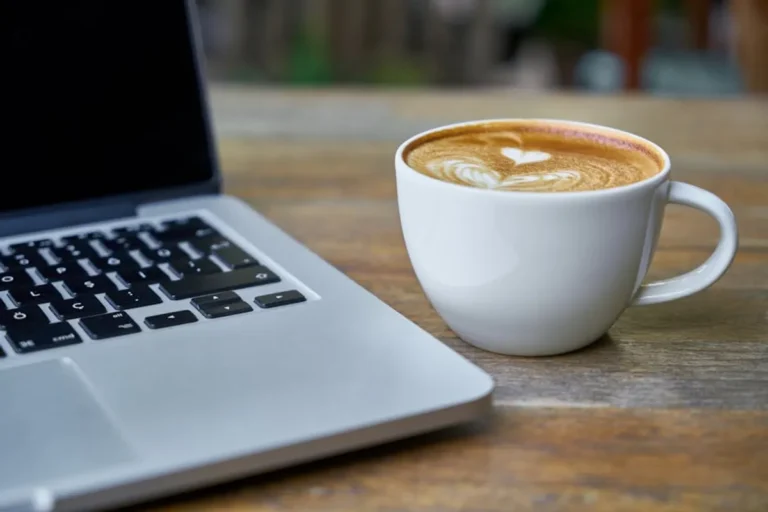

Embarking on the creation of coffee-infused desserts opens a distinct culinary avenue, blending the aromatic depth of coffee with the sweetness of classic treats. For beginners, the initial challenge often lies in understanding how to effectively integrate coffee's robust flavor without overwhelming a dish or introducing unwanted bitterness. This guide focuses on foundational techniques and accessible ingredients, enabling new bakers and cooks to confidently produce balanced, flavorful coffee desserts. The goal is to demystify the process, highlighting methods that yield consistent results and offer clear pathways for flavor development, moving beyond simple additions to thoughtful integration.
Understanding Coffee's Flavor Contribution in Desserts
Coffee serves multiple roles in dessert applications, ranging from a subtle enhancer to the dominant flavor. Its inherent bitterness can provide a crucial counterpoint to sweetness, preventing desserts from becoming cloying. The type of coffee and its preparation method significantly impact the final taste profile. Espresso, with its concentrated flavor and crema, offers intensity ideal for rich chocolate desserts or soaking layers. Instant espresso powder or finely ground instant coffee provides convenience and dissolves easily, making it suitable for batters, creams, and glazes where liquid volume is critical. Brewed coffee, while less concentrated, can be reduced to intensify its flavor or used as a soaking liquid for cakes and tiramisu.
Flavor Profile Considerations:
- Dark Roasts: Impart a bolder, sometimes smoky or bittersweet note. Best for desserts with strong accompanying flavors like dark chocolate or caramel.
- Medium Roasts: Offer a more balanced profile with chocolatey, nutty, or fruity undertones. Versatile for a wide range of desserts.
- Light Roasts: Can introduce brighter, more acidic, or floral notes. Use sparingly or in desserts where these characteristics are desired, such as fruit-based coffee cakes.
- Decaffeinated Coffee: Maintains flavor without the caffeine, suitable for evening desserts. Ensure the decaffeination process (e.g., Swiss Water Process) does not introduce off-flavors.
Essential Equipment for Beginner Coffee Dessert Makers
Creating coffee desserts does not necessitate specialized equipment beyond standard kitchen tools. Focus on items that ensure accurate measurements and efficient mixing, which are crucial for consistent results in baking and pastry work.
- Measuring Cups and Spoons: Accuracy in ingredient ratios is paramount, especially when balancing coffee's intensity.
- Mixing Bowls: A set of various sizes accommodates different recipe stages, from dissolving instant coffee to whipping cream.
- Whisks (Balloon and Flat): Essential for incorporating air into mixtures (like whipped cream) and ensuring smooth, lump-free batters or glazes.
- Rubber Spatulas: For scraping bowls cleanly and gently folding ingredients, preserving aeration.
- Baking Pans/Dishes: Depending on the dessert, standard cake pans, loaf pans, or ramekins are sufficient.
- Small Saucepan: Useful for making coffee syrups or gently heating liquids for infusions.
- Fine-Mesh Sieve: For sifting dry ingredients or straining infused liquids to remove coffee grounds.
Core Techniques for Incorporating Coffee Flavor
Mastering a few fundamental techniques allows for versatile application of coffee in desserts, from subtle notes to pronounced, central flavors.
Infusion and Steeping
This method involves steeping coffee grounds (or beans) in a liquid, typically milk or cream, to extract flavor. The liquid is then strained and used in custards, ice creams, or panna cottas. For beginners, using coarsely ground coffee or even whole beans can simplify straining. Heat the liquid gently with the coffee, let it steep off the heat for 15-30 minutes, then strain thoroughly. This technique yields a clean, nuanced coffee flavor without the grittiness of direct ground addition.
Direct Addition: Instant Coffee or Espresso Powder
The simplest and most common method for beginners involves dissolving instant coffee or espresso powder directly into wet ingredients. This bypasses brewing and straining, offering immediate flavor integration. Crucially, use high-quality instant espresso powder for the best flavor; regular instant coffee can sometimes carry a harsher, more acidic note. Dissolve the powder in a small amount of hot liquid (water, milk, or a portion of the recipe's liquid) before adding it to batters, doughs, or creams to ensure even distribution and prevent gritty textures. Best for: Cakes, cookies, frostings, chocolate ganache, whipped cream.
Coffee Syrups
Creating a simple syrup infused with coffee provides a versatile component. Combine equal parts sugar and water, heat until dissolved, then add instant coffee or brewed coffee. Simmer briefly to concentrate the flavor. This syrup can be used to moisten cake layers, sweeten whipped cream, or drizzle over ice cream and fruit. It’s an effective way to introduce coffee flavor without altering the texture or moisture content of the main dessert component significantly.
Layering and Soaking
Desserts like tiramisu exemplify this technique, where sponge cakes or ladyfingers are soaked in brewed coffee or espresso. This method allows the coffee to penetrate the dessert structure, providing moisture and a distinct flavor layer. For beginners, ensure the soaking liquid is cool to prevent the cake from disintegrating and avoid over-soaking, which can lead to a soggy texture. This technique works well with neutral-flavored bases that can absorb and showcase the coffee.
Pro Tip: When incorporating coffee into desserts, always start with a smaller amount than you think you need, especially with instant espresso powder or dark roasts. Taste and adjust. It's far easier to add more coffee flavor than to dilute an overly bitter or intense mixture.
Beginner-Friendly Coffee Dessert Concepts
These concepts leverage the techniques above and require minimal specialized skills, making them ideal starting points.
- Coffee-Flavored Whipped Cream: Whip heavy cream with powdered sugar and a small amount of dissolved instant espresso powder. Perfect as a topping for almost any dessert, hot chocolate, or fruit.
- No-Bake Coffee Cheesecakes or Puddings: Incorporate dissolved instant coffee into the cream cheese mixture for cheesecakes or into milk/cream for puddings. These often set in the refrigerator, eliminating oven-related complexities.
- Simple Coffee Glazes or Frostings: Whisk powdered sugar with a small amount of strong brewed coffee or dissolved instant coffee until a pourable glaze or spreadable frosting forms. Excellent for plain cakes, muffins, or cookies.
- Affogato: The ultimate minimalist coffee dessert. A scoop of vanilla ice cream or gelato drowned in a shot of hot espresso. This highlights the interplay of hot and cold, bitter and sweet, with no cooking required.
- Coffee-Infused Chocolate Bark: Melt chocolate, spread it thinly on parchment paper, sprinkle with finely crushed coffee beans or instant espresso powder, and chill until set. Break into pieces.
Starting Your Coffee Dessert Journey
The key to successful coffee dessert creation for beginners lies in embracing simplicity and understanding how coffee interacts with other ingredients. Begin with recipes that use instant coffee or espresso powder for ease, then gradually explore infusions and reductions as your confidence grows. Pay attention to the quality of your coffee, as it directly impacts the final flavor. Experiment with different roast levels to discover how they complement various sweet bases. Remember that balancing the bitterness of coffee with the sweetness of sugar and richness of fats (like cream or butter) is crucial for a harmonious dessert. Don't be afraid to adjust quantities to suit your personal preference for coffee intensity.
Frequently Asked Questions About Coffee Desserts
What kind of coffee is best for desserts?
For most beginner recipes, high-quality instant espresso powder is recommended due to its convenience and concentrated flavor. For more advanced techniques like infusions, freshly ground medium or dark roast coffee beans provide a richer, more nuanced taste. Avoid using regular brewed coffee directly in batters unless specified, as it can add too much liquid and dilute flavor.
Can I use decaf coffee in my desserts?
Yes, decaf coffee can be used without issue. Ensure it's a good quality decaf that retains its flavor profile, as some decaffeination processes can affect taste. The choice between regular and decaf depends solely on whether you want the caffeine content in your dessert.
How do I prevent my coffee dessert from being too bitter?
Bitterness can be balanced with sweetness and fat. Ensure you use enough sugar, and consider ingredients like cream, butter, or chocolate, which can mellow coffee's sharp edges. Always start with a conservative amount of coffee and taste as you go, especially when using strong espresso powder or dark roasts.
What are some common beginner mistakes when making coffee desserts?
Common mistakes include adding too much coffee initially, leading to excessive bitterness; not dissolving instant coffee thoroughly, resulting in gritty textures; over-soaking cake layers, making them soggy; and using low-quality instant coffee, which can impart off-flavors. Follow recipes closely, measure accurately, and taste at various stages.