
For any business built on exceptional coffee, the raw material—the coffee bean itself—represents the primary lever for quality control and customer satisfaction. The selection, storage, and preparation of these beans directly influence flavor profiles, aroma, and ultimately, the perceived value of the final beverage. Understanding the nuances of coffee beans is not merely an aesthetic pursuit; it is a critical operational consideration that impacts consistency, cost efficiency, and brand reputation. This insight guides purchasing decisions, informs staff training, and shapes the entire customer experience, from a morning espresso to a retail bag for home brewing. Overlooking fundamental principles in bean management can lead to inconsistent product offerings, increased waste, and diminished customer loyalty, making a precise approach to coffee beans a commercial imperative.
Essential Tips for Coffee Bean Management
Effective management of coffee beans extends beyond mere purchasing; it encompasses a holistic approach to sourcing, preservation, and preparation. Each stage offers an opportunity to enhance quality and mitigate risks, directly impacting the profitability and consistency of your coffee program.
Sourcing and Selection Precision
The origin and processing method of coffee beans are foundational to their flavor characteristics. Arabica beans, for instance, offer a more complex aromatic profile, often with notes of fruit, flowers, and chocolate, while Robusta beans typically present a bolder, more rubbery flavor with higher caffeine content. Beyond species, consider the specific varietal (e.g., Geisha, Bourbon, Typica) and its terroir, as these factors contribute distinct nuances. Processing methods—washed, natural, honey—also dictate flavor: washed coffees are generally cleaner and brighter, natural coffees often fruitier and heavier-bodied, and honey-processed coffees offer a balance of sweetness and clarity. Establish relationships with reputable green coffee importers or direct trade partners who provide transparent information on origin, elevation, varietal, and processing. This ensures traceability and consistency in your supply chain.
Optimal Storage Conditions
Coffee beans are perishable goods, highly susceptible to degradation from environmental factors. Exposure to oxygen, light, moisture, and fluctuating temperatures accelerates the loss of volatile aromatic compounds responsible for flavor. Store whole beans in airtight, opaque containers at room temperature, away from direct sunlight and heat sources. Avoid refrigeration or freezing for short-term storage (up to 2-3 weeks) as this can introduce moisture and freezer burn, altering flavor. For longer-term storage, some commercial operations use specialized vacuum-sealed bags with one-way valves to degas carbon dioxide while preventing oxygen ingress. The goal is to minimize exposure to elements that cause oxidation and moisture absorption.
Grinding for Extraction Consistency
Grind consistency is paramount for proper extraction, directly influencing the flavor and body of the brewed coffee. The ideal grind size depends entirely on the brewing method. For espresso, a very fine, uniform grind is necessary to allow sufficient resistance for pressurized water to extract soluble compounds quickly. For pour-over or drip coffee, a medium grind offers a balanced extraction. French press requires a coarse grind to prevent over-extraction and sediment. Using a high-quality burr grinder, rather than a blade grinder, ensures uniform particle size, preventing both under-extraction (sour, weak coffee) and over-extraction (bitter, astringent coffee). Calibrate grinders regularly, as burrs wear down and environmental humidity can affect particle size distribution.
Common Coffee Bean Mistakes to Avoid
Even with high-quality beans, common missteps in handling can significantly compromise the final product, leading to customer dissatisfaction and operational inefficiencies.
Purchasing Without Volume Control
Buying coffee beans in excessively large quantities without a clear understanding of your consumption rate is a frequent error. While bulk purchasing might offer a lower unit cost, the rapid degradation of bean quality over time negates any initial savings. Stale beans result in flat, lifeless coffee that detracts from the customer experience and often leads to waste. Implement an inventory management system that tracks usage rates and forecasts demand accurately, ensuring fresh stock turnover. Aim to purchase quantities that can be consumed within 2-3 weeks of the roast date for optimal freshness.
Inconsistent Roasting Profiles
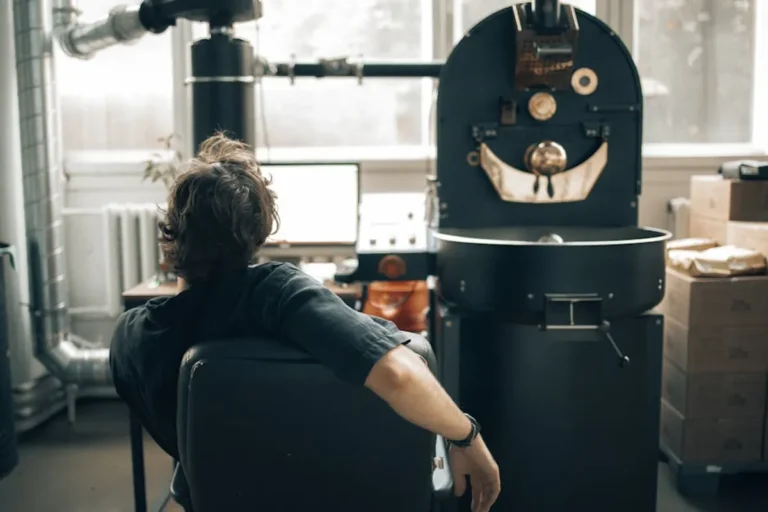
If roasting in-house, inconsistent roasting profiles are a critical mistake. Under-roasted beans often taste grassy, sour, or underdeveloped, lacking the sweetness and complexity that proper caramelization provides. Over-roasted beans, conversely, develop a burnt, smoky, or excessively bitter taste, masking the inherent characteristics of the bean. Precision in temperature control, roast time, and cooling is essential. Documenting roast parameters for each batch and performing regular cupping sessions helps maintain consistency and identify deviations quickly. For those purchasing roasted beans, verifying the roaster's quality control and consistency is equally important.
Pro Tip: Implement a "first-in, first-out" (FIFO) system for all coffee bean inventory. Label bags with roast dates upon arrival and ensure older stock is used before newer shipments. This minimizes spoilage and guarantees customers receive coffee at its peak freshness.
Neglecting Water Quality
While not directly a bean-related mistake, neglecting water quality significantly impacts how coffee beans taste. Water constitutes over 98% of a brewed coffee, and its mineral content, pH, and purity directly affect extraction. Hard water can lead to under-extraction and scale buildup in equipment, while overly soft water can result in over-extraction and a flat taste. Investing in appropriate water filtration systems (e.g., reverse osmosis with remineralization, activated carbon filters) tailored to your local water supply is crucial for allowing the inherent flavors of your coffee beans to shine through consistently.
Examples of Bean Selection for Specific Applications
Different coffee beans excel in different brewing contexts, and understanding these applications allows for tailored offerings that meet diverse customer preferences.
- Espresso Blends: Often feature a combination of origins, typically with a base of balanced, lower-acidity beans (e.g., Brazil, Sumatra) for body and crema, complemented by brighter, more aromatic beans (e.g., Colombia, Ethiopia) for complexity. The goal is a rich, full-bodied shot that stands up to milk.
- Single Origin Pour-Over: High-quality, distinctively flavored beans are ideal here. Examples include an Ethiopian Yirgacheffe known for its bright citrus and floral notes, or a Kenyan AA with its juicy acidity and blackcurrant flavors. These are chosen to showcase unique regional characteristics without the complexities of blending.
- Cold Brew: Beans with lower acidity and robust chocolate or nutty notes often perform well, as the cold extraction process can accentuate bitterness if the beans are too acidic or light-roasted. Examples might include a darker-roasted Colombian or a naturally processed Brazilian bean.
- Retail Bags for Home Brewing: Offer a range that caters to various tastes, from approachable medium roasts (e.g., a balanced Central American) to more adventurous single origins. Provide clear tasting notes and recommended brewing methods on packaging to guide consumers.
Sustaining Quality in Your Coffee Program
Maintaining excellence with coffee beans requires ongoing vigilance and a commitment to continuous improvement. Regularly evaluate your suppliers, conduct sensory evaluations (cupping) of new batches, and solicit feedback from your customers and staff. Invest in training for your baristas on proper grinding, brewing, and equipment maintenance, as even the best beans can be ruined by poor preparation. By adhering to meticulous standards in sourcing, storage, and preparation, you ensure that every cup reflects the quality and care invested in your coffee program, reinforcing your brand's reputation for exceptional beverages.
Frequently Asked Questions About Coffee Beans
How long do roasted coffee beans stay fresh?
Roasted coffee beans are generally at their peak freshness for about 2-3 weeks after the roast date when stored properly. After this period, they begin to lose their volatile aromatic compounds, resulting in a less vibrant and more muted flavor profile.
What is the best way to store coffee beans for maximum freshness?
Store whole roasted coffee beans in an airtight, opaque container at room temperature, away from direct sunlight, heat, and moisture. Avoid refrigeration for short-term storage, as it can introduce condensation and unwanted flavors.
Does the type of roast (light, medium, dark) affect caffeine content?
Generally, light roasts tend to have slightly more caffeine by weight than dark roasts because the roasting process burns off some of the caffeine. However, by volume, dark roasts might contain more caffeine due to their lower density, meaning more beans can fit into a scoop.
What is the difference between Arabica and Robusta coffee beans?
Arabica beans are known for their complex flavor profiles, higher acidity, and aromatic qualities, often with notes of fruit, flowers, and chocolate. Robusta beans typically have a bolder, more rubbery taste, higher caffeine content, and produce more crema, often used in espresso blends for body and intensity.