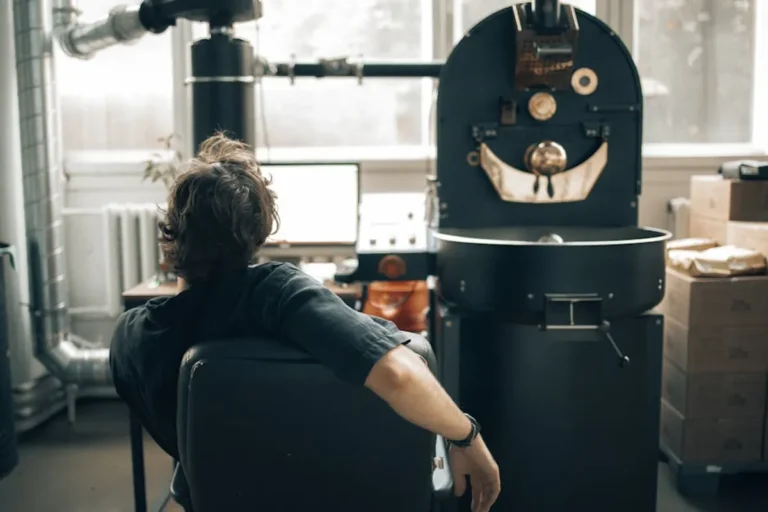

Cafe interior design extends beyond aesthetics; it functions as a critical commercial tool, directly influencing customer dwell time, repeat visits, and brand perception. For cafe owners navigating a competitive market, cultivating an interior that feels genuinely warm and local offers a distinct advantage, fostering a sense of belonging that generic establishments cannot replicate. This approach prioritizes authentic connection over fleeting trends, leveraging design elements to create an inviting atmosphere that encourages community engagement and establishes a memorable identity. The goal is to design spaces where customers feel comfortable, recognized, and eager to return, translating directly into sustained business growth and a loyal customer base.
Cultivating a Local Identity Through Design
An interior that feels "local" is not merely decorative; it's a narrative. It tells a story about the cafe's place within its community, drawing on regional characteristics to create a sense of belonging. This involves a deliberate move away from standardized, mass-produced aesthetics in favor of elements that resonate with the immediate environment.
Reflecting Regional Character
Consider the architectural heritage, natural landscape, or historical context of the cafe's location. For instance, a cafe in a coastal town might incorporate weathered wood, nautical accents, and a color palette inspired by the sea and sand. An urban cafe might draw on industrial textures like exposed brick and metal, softened by vintage furniture and local artwork. The key is to research and interpret these regional cues subtly, avoiding overt clichés, to ensure the design feels organic and deeply rooted.
Sourcing Local Elements
Integrating products from local artisans and suppliers significantly enhances the "local" feel. This extends beyond the menu to furniture, lighting fixtures, artwork, and even crockery. Commissioning custom-made tables from a local woodworker, displaying art from neighborhood artists, or using ceramics from a regional potter not only supports the local economy but also imbues the space with unique character. These elements often carry a story, which staff can share with customers, deepening the connection.
- Furniture: Custom-built pieces from local craftspeople, refurbished vintage finds, or items from regional manufacturers.
- Art & Decor: Paintings, sculptures, photography, or textiles by local artists. Rotate displays regularly to maintain freshness and support more creators.
- Fixtures: Unique lighting, shelving, or counter finishes that reflect local design sensibilities or materials.
- Greenery: Plants sourced from local nurseries, chosen for their resilience and aesthetic fit within the regional climate.
Enhancing Warmth with Materials and Texture
Warmth in a cafe interior is primarily a sensory experience, conveyed through tactile materials, soft lighting, and acoustic considerations. It's about creating an environment that feels welcoming and comforting, encouraging customers to linger.
Natural Material Palette
Prioritize natural materials like wood, stone, brick, and natural fibers (cotton, wool, linen) for their inherent warmth and texture. Wood, in particular, offers versatility—from light, Scandinavian-inspired tones to rich, dark finishes—and can be used for flooring, wall paneling, furniture, and decorative accents. Exposed brick walls add an inviting, rustic texture, while stone elements can ground a space. These materials age gracefully, developing patinas that add to the cafe's character over time. Incorporate soft furnishings like upholstered seating, throw blankets, and curtains to absorb sound and add a layer of comfort.
Layered Lighting Strategies
Effective lighting is crucial for creating warmth. Relying solely on harsh overhead lighting can make a space feel cold and institutional. Instead, employ a layered approach:
- Ambient Lighting: Soft, diffused general illumination from sources like dimmable recessed lights or pendant fixtures with warm-toned bulbs (2700K-3000K).
- Task Lighting: Focused light for specific areas, such as reading lamps over armchairs or spotlights illuminating a counter. These should be bright enough for their purpose but not overwhelming.
- Accent Lighting: Used to highlight architectural features, artwork, or plants, adding depth and visual interest. Wall sconces, picture lights, or small directional spotlights work well.
Consider incorporating natural light where possible, using sheer curtains or blinds to soften direct sunlight and prevent glare. Dimmers are essential for adjusting the mood throughout the day and into the evening.
Layouts that Foster Connection and Comfort
The physical arrangement of furniture and flow of space significantly impacts how customers interact with the cafe and each other. A warm, local cafe encourages both individual comfort and communal connection.
Diverse Seating Arrangements
Offer a variety of seating options to cater to different customer needs and group sizes. This might include:
- Communal Tables: Large tables that encourage shared experiences and can accommodate larger groups or solo patrons working side-by-side.
- Intimate Nooks: Smaller tables for two or four, often set against a wall or in a semi-private corner, offering a sense of seclusion.
- Lounge Areas: Comfortable armchairs or sofas with low tables, ideal for relaxed conversations or extended stays.
- Window Seating: Benches or small tables positioned to offer views of the street, connecting the interior with the outside world.
Ensure adequate spacing between tables to allow for comfortable movement and conversation without feeling overcrowded.
Flow and Functionality
A well-designed layout guides customers naturally through the space, from ordering at the counter to finding a seat. Clear pathways prevent congestion, especially during peak hours. Consider the acoustics of the space; hard surfaces can create echo, making conversations difficult. Incorporate sound-absorbing materials like rugs, upholstered furniture, and ceiling panels to manage noise levels, contributing to a more comfortable and intimate atmosphere.
Pro Tip: Avoid the temptation to replicate generic "cafe chic" aesthetics seen widely online. True warmth and local appeal stem from authenticity. Focus on elements that genuinely reflect your specific location and brand values, even if it means sourcing unique, imperfect pieces. This deliberate individuality creates a more memorable and emotionally resonant experience for customers than a perfectly curated, but ultimately sterile, trending design.
Incorporating Personal Touches and Authenticity
The final layer of creating a warm and local cafe involves the curated details that make a space feel lived-in and unique, rather than just designed.
Curated Decor and Greenery
Decor should feel personal and intentional. This means selecting items that have a story, a connection to the local area, or simply evoke a sense of comfort. Vintage finds, antique maps of the region, or framed photographs of local landmarks can add character. Integrate an abundance of live plants; they not only improve air quality but also add natural texture, color, and a sense of vitality, contributing significantly to a warm and inviting atmosphere. Group plants at varying heights and sizes to create visual interest.
Sensory Elements
Beyond sight and touch, consider the other senses. A subtle, pleasant aroma (freshly brewed coffee, baked goods, or essential oils) can enhance the perception of warmth. Curate a background music playlist that complements the cafe's vibe and is appropriate for different times of day, avoiding overly loud or distracting tracks. These often-overlooked sensory details contribute significantly to the overall customer experience, making the cafe feel more like a home away from home.
Implementing Distinctive Cafe Design
Designing a cafe interior that genuinely feels warm and local requires a strategic, intentional approach. Begin by researching your immediate community's history, culture, and natural environment to inform your design narrative. Prioritize sourcing materials and decorative elements from local artisans and suppliers to embed authenticity. Focus on creating a diverse range of seating options that cater to both individual patrons and groups, ensuring comfortable flow. Finally, layer lighting, incorporate natural textures, and pay attention to sensory details like sound and scent to craft an atmosphere that feels uniquely inviting and fosters lasting customer loyalty.
Frequently Asked Questions
How can a small cafe on a limited budget achieve a warm, local feel?
Focus on DIY projects, upcycling furniture, and sourcing decor from local thrift stores or artisans. Prioritize natural materials like wood and incorporate abundant greenery. Strategic lighting with warm-toned bulbs can transform a small space without significant cost. Community engagement, such as displaying local artists' work, can also enhance the local feel.
What are the most impactful elements for creating a sense of warmth?
Warmth is primarily achieved through a combination of natural materials (especially wood), layered lighting with warm color temperatures, soft furnishings (upholstery, rugs), and an intentional color palette featuring earthy tones. These elements collectively contribute to a cozy and inviting sensory experience.
How does a "local" design translate into commercial success?
A strong local identity differentiates a cafe from competitors, fostering a unique brand story that resonates with customers. This leads to increased customer loyalty, positive word-of-mouth referrals, and a stronger connection to the community. Patrons are more likely to support businesses that reflect and celebrate their local environment.
Should I follow current design trends for a warm and local cafe?
While staying aware of trends is useful, prioritizing authenticity over fleeting fads is crucial for a truly warm and local cafe. Trends can lead to generic spaces that lack character. Instead, integrate timeless design principles and elements that genuinely reflect your location and brand, ensuring longevity and a distinct identity.