
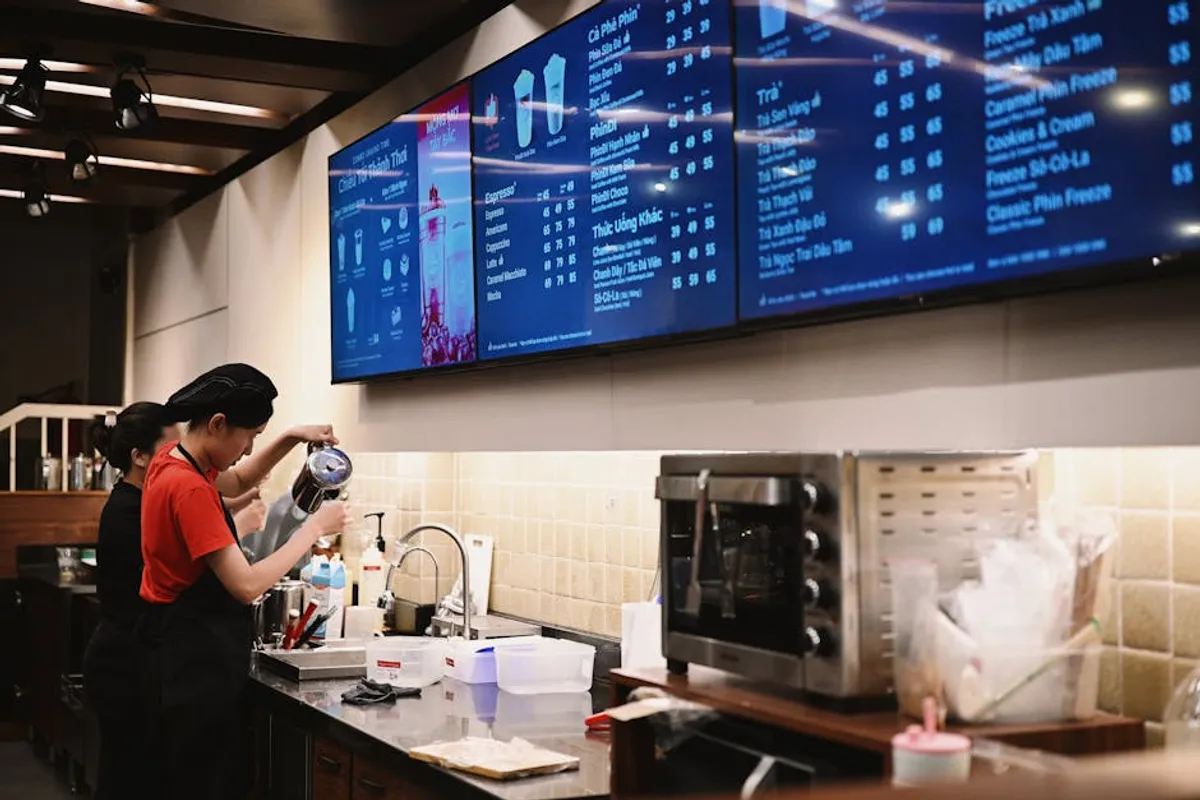
Launching a cafe business requires more than just a passion for coffee; it demands rigorous planning, strategic decision-making, and a clear understanding of market dynamics. Many aspiring owners underestimate the complexities, from concept development and location scouting to financial modeling and operational execution. This guide outlines the essential steps and considerations for beginners aiming to establish a viable and profitable cafe, focusing on practical insights to navigate the initial stages effectively.
Identifying Your Niche and Concept
Before any physical steps are taken, define the unique identity of your cafe. This involves more than just selecting a name; it means articulating the core experience, target demographic, and competitive differentiators. A well-defined concept guides all subsequent decisions, from menu design to interior aesthetics.
Thematic Focus and Target Audience
Consider what kind of atmosphere and experience you want to create. Will it be a quiet co-working space, a vibrant community hub, a quick grab-and-go spot, or a specialty destination? Each choice dictates design, service model, and pricing. Simultaneously, identify your ideal customer. Are they students, remote workers, families, or a specific age group? Understanding their needs, preferences, and spending habits is crucial for tailoring your offerings and marketing efforts. For example, a cafe targeting remote workers might prioritize reliable Wi-Fi, ample power outlets, and comfortable seating, while a family-friendly spot would focus on child-safe areas and accessible menus.
Menu Development and Sourcing
Your menu is a primary driver of customer traffic and revenue. Beyond coffee, consider offering pastries, light meals, or unique beverages that align with your concept. Focus on quality and consistency. Research local suppliers for fresh ingredients, ensuring reliability and cost-effectiveness. Evaluate the potential for local partnerships, such as with a specific bakery or dairy, which can enhance your brand story and support local economies. Develop a menu that balances customer appeal with operational efficiency and profit margins, factoring in ingredient costs, preparation time, and potential waste.
Location Analysis and Site Selection
The physical location of your cafe is a critical factor influencing visibility, accessibility, and customer flow. A prime location can mitigate other challenges, while a poor one can undermine even the best concept.
Foot Traffic, Demographics, and Accessibility
Thoroughly research potential sites. Analyze foot traffic patterns at different times of day and week. Use demographic data to confirm the presence of your target audience within the immediate vicinity. Consider proximity to complementary businesses like offices, retail stores, or residential areas. Accessibility is paramount: evaluate parking availability, public transport links, and pedestrian access. A location with high visibility from a main road or intersection often commands higher rent but can significantly reduce initial marketing spend due to organic exposure.
Lease Negotiations and Build-Out Considerations
Engage legal counsel to review lease agreements carefully. Pay attention to terms regarding rent increases, lease duration, renewal options, and tenant improvement allowances. Understand the landlord’s responsibilities versus your own for maintenance and repairs. Factor in the cost and timeline for any necessary build-out or renovations. Older buildings may require extensive upgrades to plumbing, electrical, or HVAC systems, impacting both budget and opening schedule. Ensure the space complies with local health and safety regulations before committing.
Pro Tip: Before signing a lease, spend several days observing the chosen location at different times. Note pedestrian flow, competitor activity, and even sun exposure, which can affect seating comfort and energy costs. This on-the-ground research often reveals insights not apparent from demographic reports alone.
Financial Planning and Funding
A robust financial plan is the backbone of any successful business. It clarifies startup costs, projects revenue, and identifies potential funding gaps.
Startup Costs and Operating Expenses
Create a detailed budget that itemizes all initial expenses: leasehold improvements, equipment purchases (espresso machines, grinders, refrigerators, POS systems), initial inventory, permits, licenses, and insurance. Also, project your operating expenses for at least the first 6-12 months, including rent, utilities, staff wages, marketing, and ongoing inventory purchases. Be conservative with revenue projections and liberal with expense estimates to build a financial buffer.
- Equipment acquisition (new or used)
- Leasehold improvements and renovation
- Initial inventory (coffee beans, milk, food items)
- Permits, licenses, and legal fees
- Marketing and grand opening expenses
- Working capital for initial operating costs
- Employee training and uniforms
Funding Avenues
Explore various funding options. Small business loans from traditional banks or credit unions are common, often requiring a detailed business plan and collateral. Consider government-backed loan programs that offer more favorable terms for startups. Personal savings, investments from friends and family, or crowdfunding platforms can also provide initial capital. Prepare a compelling business plan that clearly articulates your concept, market analysis, financial projections, and management team’s capabilities to attract potential investors.
Operational Frameworks
Efficient daily operations are crucial for customer satisfaction and profitability. Establishing clear systems from the outset minimizes errors and maximizes productivity.
Staffing and Training
Your staff are the face of your cafe. Hire individuals who are not only skilled but also possess strong customer service instincts. Develop a comprehensive training program that covers coffee preparation techniques, point-of-sale (POS) system usage, health and safety protocols, and customer interaction standards. Cross-train staff where possible to ensure operational flexibility during peak hours or staff absences. Clear job descriptions and performance expectations are vital.
Supply Chain Management
Establish reliable relationships with suppliers for coffee, milk, food items, and disposable goods. Negotiate favorable pricing and delivery schedules. Implement an inventory management system to track stock levels, minimize waste, and prevent stockouts. Regular audits of inventory and supplier performance are essential to maintain quality and cost control.
Technology Integration
Invest in appropriate technology to streamline operations. A robust POS system is essential for order processing, payment handling, and sales reporting. Inventory management software can integrate with your POS to track usage and automate reordering. Consider digital menu boards, online ordering platforms, and customer loyalty programs to enhance efficiency and customer engagement.
Marketing and Brand Building
Even with a perfect product and location, a cafe needs effective marketing to attract and retain customers.
Pre-Opening Buzz and Grand Opening
Generate excitement before you open your doors. Use social media to share progress updates, behind-the-scenes glimpses, and teaser content. Host a soft opening for friends, family, and local influencers to gather feedback and refine operations. Plan a grand opening event with promotions, free samples, or special offers to draw a crowd and create initial buzz. Distribute flyers in local businesses or community boards.
Digital Presence and Local SEO
Establish a strong online presence. Create a professional website with your menu, hours, location, and contact information. Set up and optimize your Google Business Profile with accurate information, high-quality photos, and consistent updates. Encourage customer reviews on platforms like Yelp and TripAdvisor. Utilize social media platforms (e.g., Instagram, Facebook) to showcase your products, atmosphere, and community involvement. Run targeted local ads to reach potential customers in your immediate area.
Community Engagement
Become an active part of the local community. Sponsor local events, display local artists' work, or host small gatherings. Offer loyalty programs to reward repeat customers. Building genuine relationships with neighbors and local businesses can foster a loyal customer base and generate positive word-of-mouth referrals, which are invaluable for a new cafe.
Practical Steps Before Launch
Before opening your doors, ensure these critical elements are in place:
Permits and Licenses: Secure all necessary health permits, business licenses, and food service certifications from local authorities. This is non-negotiable for legal operation.
Insurance: Obtain comprehensive business insurance, including general liability, property insurance, and workers' compensation, to protect against unforeseen events.
Staffing Complete: All staff should be hired, trained, and scheduled for opening day, with clear roles and responsibilities defined.
Inventory Stocked: Ensure all necessary ingredients, supplies, and disposable items are fully stocked and organized.
Systems Tested: Thoroughly test your POS system, coffee equipment, kitchen appliances, and Wi-Fi connectivity to prevent technical glitches on opening day.
Frequently Asked Questions
What is the most common reason cafes fail?
Many cafes fail due to undercapitalization, poor location choices, lack of a clear business plan, ineffective marketing, and insufficient operational management, especially concerning cost control and staff training.
How much does it typically cost to open a small cafe?
Startup costs for a small cafe can range widely, typically from $80,000 to $300,000 or more, depending on location, size, equipment choices (new vs. used), and the extent of renovations required. This figure often excludes initial working capital.
How long does it take to become profitable?
Profitability timelines vary significantly. Many cafes aim to break even within 6 to 12 months, but achieving consistent profitability can take 1 to 3 years, depending on initial investment, operational efficiency, and market reception.
What permits do I need to open a cafe?
Essential permits typically include a general business license, food service permits from the local health department, employer identification number (EIN), and possibly specific permits for outdoor seating, signage, or alcohol sales, depending on your offerings and location.