
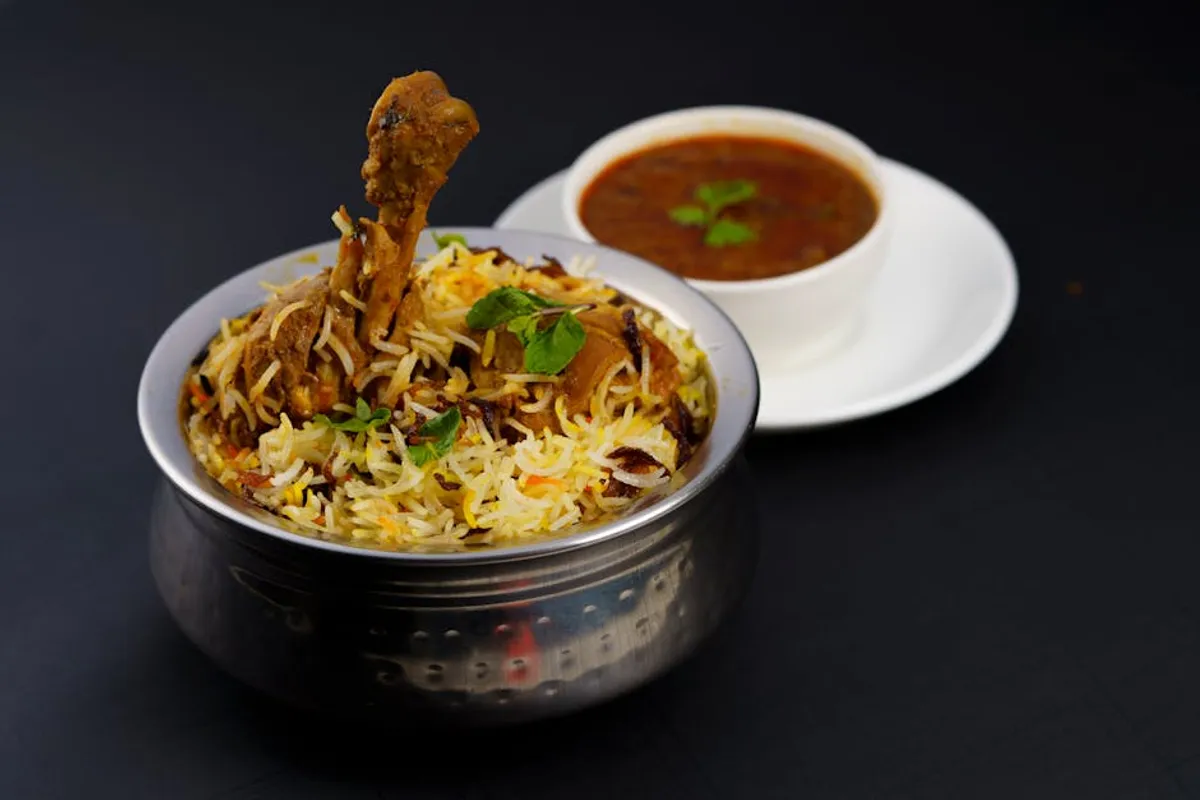
Securing biryani services for corporate events, large-scale catering, or resale requires a precise understanding of market offerings and vendor capabilities. This isn't merely about selecting a dish; it's a strategic procurement decision impacting budget, guest satisfaction, and brand perception. Evaluating biryani quotes goes beyond headline prices, demanding a deep dive into menu specifics, pricing structures, and the operational reliability of potential suppliers. This guide provides a framework for businesses to navigate these complexities, ensuring optimal value and execution for any biryani-centric requirement.
Understanding Biryani Service Models
Biryani providers operate across various models, each with distinct implications for businesses seeking their services. Recognizing these models is the first step in aligning a vendor's offering with your specific commercial needs, whether it's a one-off event or a recurring supply arrangement.
Catering vs. Bulk Orders
Catering services typically encompass not just the food preparation but also delivery, setup, serving staff, and sometimes even post-event cleanup. This full-service approach is suitable for corporate events, conferences, or client entertaining where presentation and service quality are paramount. Quotes from caterers will reflect these additional labor and logistical components, often priced per person.
Bulk orders, conversely, focus solely on the volume delivery of biryani. This model is often favored by businesses looking to resell biryani, provide staff meals without extensive service, or manage their own distribution and presentation. Pricing for bulk orders is usually by weight (e.g., per kilogram) or by container size, with fewer ancillary services included. The cost efficiency of bulk orders is higher, but it shifts more operational responsibility to the client.
Customization and Special Requests
The ability to customize menus is a critical factor for many commercial clients. Reputable biryani service providers offer varying degrees of flexibility. This can range from adjusting spice levels and ingredient sourcing (e.g., halal, organic) to developing entirely new biryani variations to fit a specific theme or dietary requirement. Assess a vendor's willingness and capacity to accommodate these requests, as it directly impacts your ability to differentiate your offering or satisfy diverse attendee needs. Customization often incurs additional costs, which should be itemized clearly in any quote.
Deconstructing the Biryani Menu
A biryani menu is more than a list of dishes; it's a reflection of a vendor's culinary expertise, ingredient sourcing, and target market. A thorough analysis reveals insights into quality, authenticity, and operational focus.
Core Biryani Varieties and Regional Specializations
Examine the range of biryani types offered. A vendor specializing in a particular regional style (e.g., Hyderabadi, Lucknowi, Kolkata) often indicates a deeper understanding of traditional preparation methods and authentic flavor profiles. This specialization can be a key differentiator if authenticity is a priority for your audience. Conversely, a broad menu covering multiple regional styles might suggest a more generalized approach, potentially sacrificing depth for variety. Look for details on protein types (chicken, mutton, vegetable, prawn), rice varieties (Basmati, Sella), and cooking techniques (dum pukht).
Accompaniments, Sides, and Dessert Options
Biryani is rarely served in isolation. Evaluate the accompanying items included in a quote: raita, salan, mirchi ka salan, papad, and salads. The quality and variety of these sides significantly enhance the overall dining experience. Additionally, consider dessert options if part of the package. A comprehensive offering of well-executed accompaniments demonstrates a vendor's commitment to a complete culinary experience, reducing the need to source these items separately.
Dietary Considerations and Allergen Management
For any commercial food service, accommodating dietary restrictions is non-negotiable. Scrutinize how vendors address common allergens (nuts, dairy, gluten), vegetarian/vegan options, and other dietary needs (e.g., Jain, gluten-free). Quotes should specify whether separate preparation areas are used for allergen-sensitive dishes and if detailed ingredient lists are available. Transparency in allergen management builds trust and mitigates potential health risks for your guests or customers.
Navigating Biryani Pricing Structures
Pricing models for biryani services can vary significantly. Understanding these structures is crucial for accurate budget forecasting and comparing quotes effectively.
Per-Plate vs. Per-Kilo/Batch Pricing
Per-plate pricing is common for catered events, where the cost is calculated based on the number of guests. This model often includes a standard portion size, accompaniments, and service components. It offers predictable costs per attendee.
Per-kilo or per-batch pricing is more typical for bulk orders. This model provides greater flexibility for portion control on the client's end but requires the client to estimate consumption accurately. It's often more cost-effective for very large volumes where service is minimal.
Volume Discounts and Tiered Pricing
Many suppliers offer tiered pricing or volume discounts as order size increases. Request detailed breakdowns of these structures. A quote for 50 plates might have a higher per-plate cost than a quote for 200 plates. Understanding these thresholds allows for strategic ordering to maximize cost efficiency. Some vendors may also offer loyalty programs or preferential rates for recurring business, which is a key consideration for long-term partnerships.
Delivery, Setup, and Service Charges
Always clarify all additional charges beyond the food itself. This includes delivery fees (which can be distance-based or flat-rate), setup costs for buffets or serving stations, and labor charges for serving staff. Some quotes bundle these services, while others list them as separate line items. Unaccounted-for charges can significantly inflate the final cost, so request a fully itemized quote detailing every potential expense.
Pro Tip: Always request a clear, itemized quote that breaks down costs per item, service, and any applicable taxes or delivery fees. Ambiguous "all-inclusive" pricing can hide unexpected surcharges or limit your ability to compare offers accurately. Insist on written confirmation of all inclusions and exclusions before committing.
Strategic Selection: What to Prioritize
Making an informed decision requires weighing various factors against your specific objectives and constraints.
Quality, Authenticity, and Ingredient Sourcing
Prioritize vendors who demonstrate a commitment to fresh, high-quality ingredients. Inquire about their sourcing practices for meat, spices, and rice. Authenticity of flavor profile, achieved through traditional cooking methods and experienced chefs, directly impacts guest satisfaction. Requesting a tasting session for larger orders is a practical step to verify quality claims before final commitment.
Scalability and Logistics Capabilities
Assess a vendor's capacity to handle your order volume and logistical requirements. Can they consistently deliver a large quantity of biryani without compromising quality? Do they have reliable transportation, temperature control for food safety, and experienced staff for setup and service? A vendor's track record with similar-sized events or orders is a strong indicator of their operational capabilities.
Vendor Reputation and Client Testimonials
Research a vendor's reputation through client testimonials, online reviews, and industry references. Consistent positive feedback regarding food quality, punctuality, professionalism, and responsiveness is a robust indicator of reliability. Pay attention to feedback related to their handling of issues or last-minute changes, as this reveals their problem-solving aptitude.
Optimizing Your Biryani Procurement
To ensure you secure the best biryani service for your commercial needs, engage proactively with potential suppliers. Here are key questions to ask:
- What are your minimum order quantities for catering versus bulk delivery?
- Can you provide a detailed ingredient list for all menu items, including common allergens?
- What is your policy for cancellations or changes to an order, and what are the associated fees?
- Do you offer tasting sessions for large-scale orders, and what is the cost for such a service?
- What are your delivery radius and associated fees, and do you offer setup/serving staff?
- How do you ensure food safety and temperature control during transportation and service?
- Can you provide references from other commercial clients or event organizers?
Final Considerations for Biryani Service Selection
The process of selecting a biryani service provider is a balance of cost, quality, and operational fit. Beyond the menu and price, consider the vendor's communication style and responsiveness. A supplier that is easy to work with, transparent in their dealings, and proactive in addressing concerns will contribute significantly to a successful outcome. Evaluate quotes not just on the final figure, but on the clarity of terms, the perceived value of inclusions, and the confidence you gain in their ability to deliver consistently. Your objective is a seamless experience that reflects positively on your business, achieved through a well-researched and strategically chosen biryani partner.
Frequently Asked Questions
What is the typical lead time required for a large biryani order?
Lead times vary by vendor and order size, but for significant commercial orders (e.g., 100+ servings), expect to provide at least 7-14 days' notice. Complex customization or peak seasons may require even longer lead times.
How can I ensure the biryani quality is consistent across a large order?
Request a tasting session for a representative portion of your desired menu items. Inquire about the vendor's cooking processes, quality control measures, and their capacity to scale production without compromising flavor or texture.
Are biryani quotes usually negotiable for bulk orders?
Yes, for substantial bulk orders or long-term contracts, there is often room for negotiation on pricing, especially regarding volume discounts, delivery fees, or additional services. Always discuss your budget and requirements openly.
What are common hidden costs to watch out for in biryani quotes?
Common hidden costs can include delivery surcharges, setup fees, equipment rental (e.g., chafing dishes), service staff gratuities, disposable cutlery/plate charges, and taxes not explicitly stated in the initial per-plate or per-kilo price.