Navigating the world of coffee brewing can feel overwhelming, with countless methods promising the perfect cup. For dedicated coffee lovers, the choice isn't just about caffeine delivery; it's about flavor profiles, ritual, and convenience. Each brewing technique extracts unique characteristics from coffee beans, influencing body, acidity, clarity, and strength. Understanding these differences is crucial for consistently achieving your preferred taste experience at home. This guide breaks down popular and specialized brewing methods, detailing their mechanics, typical results, and suitability for various preferences and lifestyles, empowering you to select the equipment that aligns with your coffee journey.
Choosing Your Ideal Coffee Brewing Method
Selecting the right coffee brewing method involves more than just picking a device; it requires an honest assessment of your priorities. Consider these factors before investing in new equipment:
- Taste Preference: Do you favor a clean, bright cup with nuanced flavors, or a full-bodied, robust, and sediment-rich brew? Some methods excel at clarity, while others are known for their rich texture.
- Time Commitment: How much time are you willing to dedicate to your morning coffee ritual? Some methods are quick and automated, while others demand precision and hands-on attention.
- Convenience and Cleanup: Is ease of use and minimal cleanup a top priority? Some brewers require more intricate cleaning processes or multiple components.
- Budget: Brewing equipment ranges from under $20 to several thousand dollars. Determine a realistic budget for both the initial purchase and ongoing supplies like filters.
- Batch Size: Do you typically brew a single cup, or do you need to prepare coffee for multiple people? Some methods are better suited for individual servings, while others can handle larger volumes.
- Portability: Do you need a brewing method that can travel with you, or will it primarily stay in your kitchen?
By weighing these considerations, you can narrow down the options and find a brewing method that consistently delivers satisfaction without unnecessary hassle.
1. Drip Coffee Maker
The ubiquitous drip coffee maker remains a household staple for its sheer convenience and ability to produce consistent batches with minimal effort. Water is heated and then dripped over a bed of ground coffee held in a filter basket, relying on gravity to extract the coffee. Modern machines often include programmable timers, strength settings, and thermal carafes to maintain temperature. It's a set-it-and-forget-it approach, ideal for busy mornings or serving multiple people.
Best for: Daily, hands-off brewing; serving multiple people; consistent, medium-bodied coffee; convenience.
Pros: Easy to use and clean; programmable features common; brews larger quantities; widely available and affordable.
Cons: Less control over brewing variables (temperature, pour rate); often produces a less nuanced cup compared to manual methods; can over-extract if not properly maintained or if cheap models are used.
Verdict: A reliable workhorse for those prioritizing convenience and volume. While not delivering the most complex flavors, a good quality drip machine with fresh beans provides a perfectly acceptable daily brew.
2. French Press
The French press, or cafetière, offers a full-bodied, rich cup by fully immersing coffee grounds in hot water for several minutes before a mesh plunger separates the grounds from the liquid. This immersion method allows more oils and fine particles to remain in the brew, contributing to its characteristic texture and robust flavor. It’s a simple, non-electric method that requires only hot water and coarse-ground coffee.
Best for: Bold, full-bodied coffee; preserving coffee oils and fine particulates; manual control over steep time; portability for travel or camping.
Pros: Simple operation, no paper filters needed; produces a rich, heavy-bodied coffee; affordable; portable.
Cons: Can result in sediment in the cup; requires coarse grind to avoid sludge; cleanup can be messier due to grounds; temperature can drop during steeping.
Verdict: An excellent choice for lovers of rich, textural coffee who don't mind a bit of sediment. Its simplicity and robust output make it a classic for good reason.
3. Pour Over (e.g., Hario V60, Kalita Wave)
Pour-over brewing is a manual method that emphasizes precision and control, allowing for a clean, bright, and highly nuanced cup. Hot water is slowly and evenly poured over a bed of coffee grounds in a conical or flat-bottomed dripper, extracting flavors as it passes through a paper filter and into a carafe. The technique requires a gooseneck kettle for precise pouring and attention to grind size, water temperature, and pour rate.
Best for: Highlighting nuanced flavors; clean, bright, light-bodied coffee; those who enjoy a hands-on brewing ritual; single servings.
Pros: Exceptional clarity and flavor separation; allows for significant control over extraction; relatively inexpensive equipment for the quality produced.
Cons: Requires specific technique and equipment (gooseneck kettle, scale); more time-consuming and hands-on; typically brews single servings; requires paper filters.
Verdict: The preferred method for coffee enthusiasts seeking to explore the intricate flavors of specialty beans. The ritual is as rewarding as the resulting clean, aromatic cup.
4. AeroPress
The AeroPress is a versatile, compact device that uses total immersion and rapid pressure to brew coffee. Ground coffee is steeped in hot water for a short period, then pressed through a paper filter directly into a cup. Its unique design allows for highly concentrated brews that can be enjoyed as is, diluted with water for an Americano-style coffee, or mixed with milk. It's renowned for its speed, portability, and clean results.
Best for: Quick, clean, concentrated coffee; travel and outdoor activities; versatility (espresso-style, regular coffee, cold brew); minimal cleanup.
Pros: Extremely fast brewing; portable and durable; very easy cleanup; produces a clean cup with minimal sediment; high degree of control over variables.
Cons: Primarily brews single servings; requires paper filters (though reusable options exist); some find the plastic construction less appealing than glass or ceramic.
Verdict: An indispensable tool for anyone seeking a fast, clean, and versatile brewing solution, especially for single servings or on the go. Its ability to produce a strong concentrate is a major advantage.
5. Espresso Machine
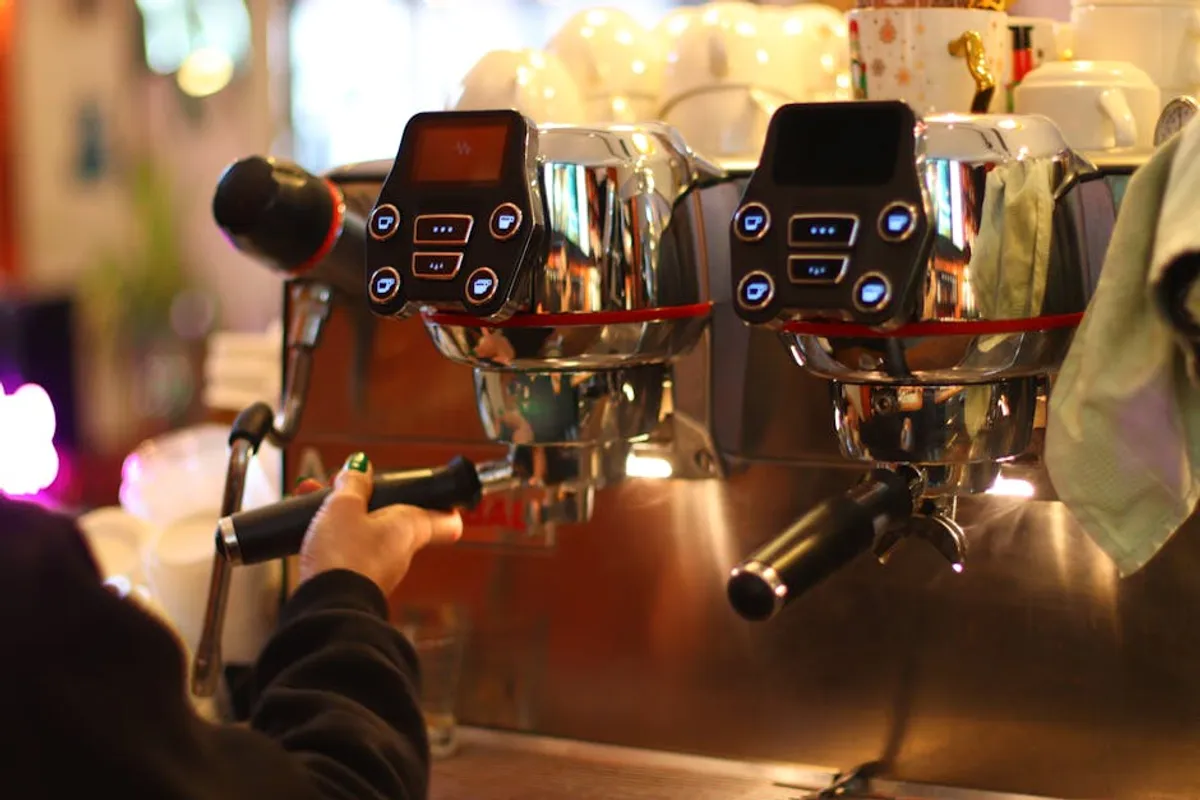
Espresso machines force hot, pressurized water through a compact puck of finely ground coffee, producing a concentrated shot of espresso topped with a rich, reddish-brown crema. This method is the foundation for numerous coffee shop beverages, from lattes and cappuccinos to Americanos. Home machines range from basic semi-automatics to sophisticated super-automatics, offering varying degrees of control and automation.
Best for: Concentrated, intense coffee shots; milk-based drinks; those who appreciate the art and science of espresso extraction; a café-quality experience at home.
Pros: Produces a unique, intense flavor profile; essential for milk-based drinks; rewarding learning curve for enthusiasts; can be fully automated.
Cons: High initial cost for quality machines; requires specific fine grind and tamping technique; maintenance and cleaning can be involved; takes up counter space.
Verdict: For serious coffee drinkers who crave rich, concentrated shots and enjoy crafting café-style beverages, an espresso machine is a significant investment that delivers unparalleled results.
6. Moka Pot
The Moka pot, also known as a stovetop espresso maker, brews coffee by passing boiling water pressurized by steam through ground coffee. While it doesn't produce true espresso with crema (due to lower pressure), it yields a strong, concentrated coffee with a robust flavor, often described as richer than drip and less intense than espresso. It's a classic Italian method, simple in design and operation.
Best for: Strong, concentrated, dark-roasted coffee; a budget-friendly alternative to espresso; traditional Italian-style coffee.
Pros: Inexpensive; compact and durable; produces a strong, full-bodied brew; no electricity needed (stovetop operation).
Cons: Does not produce true espresso; can scald coffee if heat is too high; cleanup involves disassembling multiple parts; requires careful attention to avoid bitterness.
Verdict: A fantastic option for those who desire a strong, rich coffee without the expense or complexity of an espresso machine. It's a time-tested method for a reason.
7. Cold Brew
Cold brew involves steeping coarse-ground coffee in cold water for an extended period, typically 12-24 hours. This low-temperature, long-duration extraction results in a concentrate that is significantly less acidic and bitter than hot-brewed coffee, often described as smoother and naturally sweeter. The concentrate can then be diluted with water or milk and served hot or cold.
Best for: Low-acidity, smooth coffee; preparing large batches in advance; iced coffee; those sensitive to bitterness.
Pros: Extremely smooth and low in acidity; can be made in large batches and stored for days; versatile (can be served hot or cold, diluted); simple process.
Cons: Requires long steeping time (12-24 hours); initial setup involves coarse grinding and filtration; specialized cold brew makers can be an investment.
Verdict: An ideal method for those seeking a smooth, less acidic coffee, particularly for iced beverages. The preparation time is long, but the hands-on effort is minimal, yielding a delicious, versatile concentrate.
8. Siphon (Vacuum Pot)
The siphon, or vacuum pot, is a visually captivating brewing method that uses vapor pressure and a vacuum to brew coffee. Water is heated in a lower chamber, rising to an upper chamber where it mixes with coffee grounds. Once the heat is removed, the vacuum created in the lower chamber draws the brewed coffee back down, leaving the grounds in the upper filter. This method produces a remarkably clean, aromatic, and full-bodied cup.
Best for: Visually engaging brewing experience; exceptionally clean and aromatic coffee; highly nuanced flavor extraction; those who enjoy a scientific approach to coffee.
Pros: Produces an exceptionally clean and bright cup; full immersion ensures thorough extraction; unique and impressive brewing process; allows for precise temperature control.
Cons: Fragile (glass construction); time-consuming and hands-on; requires a heat source (burner); cleanup can be delicate; higher initial cost.
Verdict: For the adventurous coffee connoisseur who values both the theatricality and the superior clarity of the brew, the siphon offers a truly unique and rewarding experience.
9. Turkish Coffee
Turkish coffee is prepared by boiling finely ground coffee (finer than espresso) with water (and often sugar) in a special pot called a cezve or ibrik. The coffee is not filtered, resulting in a very strong, thick, and sediment-rich beverage. It's traditionally served in small cups, allowing the grounds to settle at the bottom. This method is as much about cultural tradition as it is about brewing.
Best for: Extremely strong, unfiltered coffee; cultural experience; very fine grind exploration; those who enjoy a unique, intense cup.
Pros: Simple equipment (cezve); produces a very strong, rich cup; unique cultural experience; no filters required.
Cons: Very heavy sediment in the cup; requires specific extra-fine grind; can be bitter if over-boiled; not for those who prefer a clean cup.
Verdict: A distinct and ancient brewing method for those seeking an intensely strong, unfiltered coffee experience with a rich cultural heritage. It's an acquired taste for some, but deeply satisfying for others.
10. Chemex
The Chemex is a distinctive hourglass-shaped pour-over brewer that uses proprietary thick paper filters. These filters are significantly thicker than standard pour-over filters, resulting in an exceptionally clean, sediment-free cup with remarkable clarity and brightness. The design allows for an extended contact time between water and grounds, leading to a full yet clean extraction. It's both a functional brewer and an aesthetic piece.
Best for: Exceptionally clean, bright, and sweet coffee; brewing larger batches of pour-over; minimalist design appreciation; highlighting delicate flavor notes.
Pros: Produces an incredibly clean, sediment-free cup; elegant design; can brew larger volumes than most pour-overs; highlights subtle flavors.
Cons: Requires specific, expensive Chemex filters; slower brew time due to thick filters; more fragile (glass); requires a gooseneck kettle for best results.
Verdict: An excellent choice for those who prioritize clarity and sweetness in their coffee and appreciate a visually appealing brewing setup. The thick filters are key to its distinct profile.
11. Clever Dripper
The Clever Dripper combines the best aspects of pour-over and French press methods. It's a cone-shaped brewer with a stopper at the bottom, allowing for full immersion of coffee grounds in hot water (like a French press) before being released into a cup (like a pour-over). This hybrid approach offers the full body of an immersion brew with the cleanliness of a filtered drip, all with minimal fuss.
Best for: Full-bodied yet clean coffee; ease of use; combining immersion and filtration benefits; forgiving of technique.
Pros: Simple to use; offers full immersion for robust flavor; paper filter ensures a clean cup; very forgiving of grind size and pour technique; affordable.
Cons: Made of plastic (though durable); brews single servings (or small doubles); requires paper filters; less control over flow rate than traditional pour-overs.
Verdict: An outstanding option for those seeking a balanced cup that combines richness with clarity, all within a forgiving and easy-to-use device. It's a great entry point into specialty coffee brewing.
12. Automatic Pour Over Machines
Automatic pour-over machines aim to replicate the precision of manual pour-over brewing with the convenience of automation. They feature precise temperature control, a showerhead designed for even water distribution, and sometimes even pre-infusion cycles. While typically more expensive than standard drip machines, they offer a significant upgrade in brew quality without requiring hands-on technique, bridging the gap between convenience and quality.
Best for: High-quality, automated pour-over; consistent brewing without manual effort; those who want superior drip coffee; larger batch sizes.
Pros: Excellent temperature stability and water dispersion; produces a clean, flavorful cup automatically; convenient for daily use; often certified for quality brewing standards.
Cons: Higher price point than basic drip machines; takes up more counter space; still requires fresh, quality beans and proper grind size for best results.
Verdict: For the coffee lover who desires the nuanced flavor of a pour-over but prefers the convenience of automation, these machines offer a consistent and high-quality solution.
Refining Your Brew: Beyond the Method
While the brewing method is fundamental, achieving your perfect cup consistently involves attention to several other critical variables:
- Bean Quality and Freshness: Start with freshly roasted, high-quality whole beans. Coffee is best consumed within a few weeks of its roast date.
- Grind Size: This is paramount. Each brewing method requires a specific grind size to ensure optimal extraction. Too fine, and you risk over-extraction and bitterness; too coarse, and you'll get under-extraction and sourness. Invest in a burr grinder for uniform particle size.
- Water Quality: Coffee is 98% water. Filtered water free of impurities and with a balanced mineral content will significantly improve your coffee's taste. Avoid distilled or softened water.
- Water Temperature: The ideal brewing temperature for most methods is between 195°F and 205°F (90°C to 96°C). Water that's too hot can scorch the coffee, while water that's too cool will lead to under-extraction.
- Coffee-to-Water Ratio: A common starting point is the "golden ratio" of 1:15 to 1:18 (e.g., 1 gram of coffee to 15-18 grams of water). Adjust this to your taste preference. Using a kitchen scale for precision is highly recommended.
- Cleanliness: Regularly clean all brewing equipment. Residue from old coffee oils can quickly turn a fresh brew bitter and stale.
Experimentation with these variables, even within a single brewing method, can unlock new dimensions of flavor and help you consistently brew an exceptional cup.
Frequently Asked Questions About Coffee Brewing Methods
What is the "best" coffee brewing method?
There is no single "best" method; it depends entirely on your personal taste preferences, desired convenience, and budget. Each method offers a distinct flavor profile and brewing experience. The best method for you is the one that consistently produces coffee you enjoy.
How important is grind size for different brewing methods?
Grind size is critically important. It dictates the surface area of the coffee exposed to water and how quickly flavors are extracted. A coarse grind (like for French press) needs longer contact time, while a very fine grind (like for espresso or Turkish coffee) requires much shorter contact time or higher pressure to prevent over-extraction. Using the wrong grind size for your method will lead to either a weak, sour cup or a bitter, unpleasant one.
Can I use any coffee beans with any brewing method?
Yes, you can use any coffee beans with any method, but certain roasts and bean origins often shine brighter with specific techniques. For example, light roasts with delicate floral notes are often highlighted by pour-over methods, while darker, bolder roasts can stand up well to French press or Moka pot brewing. Experimentation is key to finding your preferred combinations.
How often should I clean my coffee brewing equipment?
It's best to rinse or lightly clean your brewing equipment after every use to prevent the buildup of coffee oils and residue. A deeper clean, involving descaling for machines or thorough scrubbing for manual brewers, should be done regularly, typically once a month or every few weeks, depending on frequency of use and water hardness.